Episode Transcript
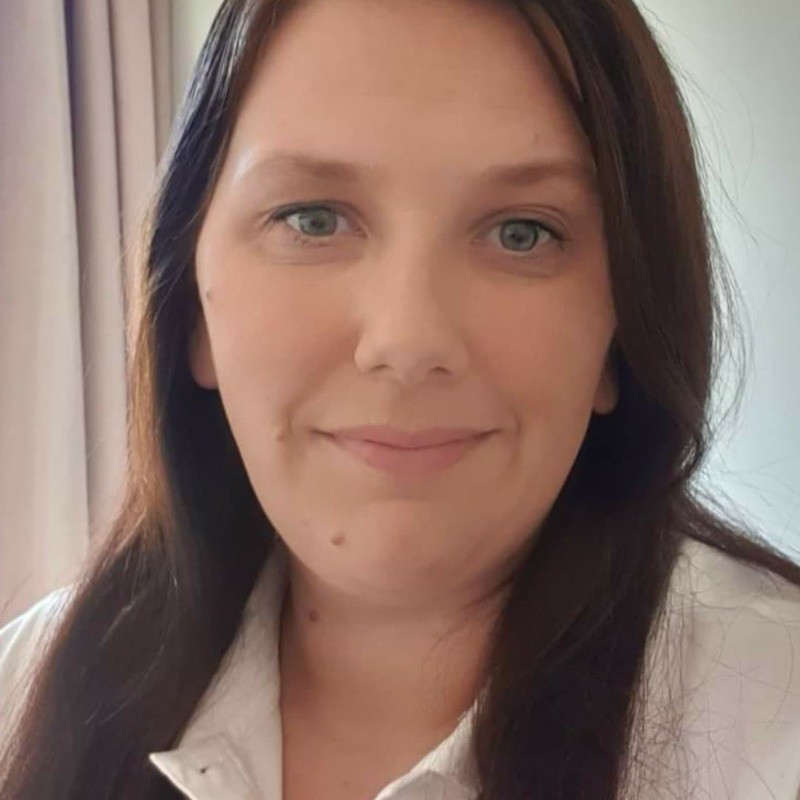
[00:00:05] Speaker A: Welcome to another episode of Vicarious Insights. Learn with me, the podcast where we delve into the diverse world of disability services, bringing you insights from professionals, parents, and individuals with lived experiences. I'm Jace, your host, and today we have a very special guest joining us. We've got Lucy Tersikova. Lucy is a dedicated therapist at Eucalypt therapy, specializing in trauma informed therapeutic interventions. She provides support in areas like psychotherapy, behavioral support and educational support. Lucy brings a wealth of experience to her practice, having also worked at Headspace where she supported young people with their mental health and wellbeing. Her approach is personalized and compassionate, aiming to foster personal growth and resilience in her clients. Hello, Lucy.
[00:00:48] Speaker B: Thanks so much. Thanks so much. I see you've done your research a little bit quick.
[00:00:53] Speaker A: So, Lucy, today we're going to be talking a bit about bullying, but first we want to get to know a little bit about you and how it is that you know some stuff about this. So could you tell us a bit about what got you into the industry?
[00:01:05] Speaker B: Oh, that's a really good question. I originally started in it and then realized that that was not where I wanted to be, and I was working in a bit of a spicy part of it. I moved into human services and I really wanted to work with children and in child safety. So I worked in child safety and child protection space for about seven or eight years. Jace and I was mainly working in that investigatory space, investigating cases that were probably lead to a criminal conviction in regard to, you know, what was going on with those children in that family. And then I saw that within my time with child protection and child safety, that mental health needs were not being met for those young people and having that kind of trauma informed care and trauma informed lens for young people. And you saw it time and time again with these wee ones. So I decided to pivot my practice into mental health. So I worked as a mental health clinician and I was a clinical manager for two wonderful headspaces, both in Dubbo and Bo desert. And I worked with lots of young people. I've predominantly worked in rural and regional areas all around Australia, so that's been pretty awesome. And now I have my own private practice. So I'm a mental health social worker. I'm also a registered specialist behavioral support practitioner, and I'm currently a candidate to do my doctorate in arts, specializing in psychology.
[00:02:32] Speaker A: Definitely a little bit different to it.
[00:02:34] Speaker B: A little bit, yeah. Yeah. So I was working in digital forensics and mainly within those spaces where children were being harmed. So just kind of, yeah, kind of made me pivot to a space of going, oh, I just really want to protect children. I really want to be in that space of protecting children. I feel my career has kind of done the whole, ah, going from child protection to now protecting our young people within their mental health space. I don't just see young people, people from zero to 100. So I don't really discriminate with age anymore.
[00:03:10] Speaker A: I could imagine, I would imagine doing the it stuff. You wouldn't have had a choice seeing that stuff. You would be like, right. How do we put an end to it?
[00:03:17] Speaker B: Yeah. And when you work within the criminal justice system, a lot of the time, it can be quite disheartening and disenchanting sometimes when, you know, you're working within that kind of psychological mindset of, you know, the bad guys go to jail and the good guys get justice. And unfortunately, it's not like law and order. Fu. Sometimes that doesn't happen.
[00:03:38] Speaker A: But don't divulge all of their secrets in the last 12 seconds. No, that's not happened.
[00:03:44] Speaker B: I really wish they did put them in a. Put them in a truck hold.
[00:03:50] Speaker A: So, looking at your practice, I see you do a few different things, and from what you just said, there, so something that in the industry, there's terminologies and there's words that we all use a lot before getting into the industry. These words I've never heard of. And I know that some parents out there that have all of a sudden got a child that has needs in this world. Some of these words are new. So you have trauma informed psychotherapy. So what? Yeah, you describe trauma and inform.
[00:04:19] Speaker B: That was a really interesting master's and a really interesting journey I went in when I decided to be a trauma informed psychotherapist. Essentially, the framework there is, we believe that, I guess, the behaviors that are presented and the way that we respond to things is purely because of the things that have happened to us. So those impacts that have happened in our lives will create this space of how we will respond to that. And sometimes that can look a little bit maladaptive, shall we say? Or they can look a little bit scary, or they can look a little bit defiant. I love that word when they say that young people are being defiant, and it's kind of like how they express to get their needs met. What has happened to you has led to where we are here. But the masters of trauma informed psychotherapy was actually designed for psychiatrists and gps to become more trauma informed within their medical practice. It only opened up recently to allied health professionals, I was only one of a few allied health professionals. The majority of people were medical doctors that were in that master's project. It was interesting to see how doctors approach certain things with a completely different lens or a completely different framework that I really understand much about attachment. The impacts of trauma can impact people's general wellbeing or mental wellbeing, or even their physiological wellbeing as well. So it was a really beautiful process to go through that master's program and seeing all these light bulb moments of people who are very, very high up in their medical career. And I don't know about you, Jase, but I'm one of those people that are quite intimidated by medical doctors. So being in that space and being in that room with them, really learning and absorbing all that really beautiful stuff that I guess social workers have known for a really long time, it was beautiful. Yeah. And it kind of gives me faith in humanity that doctors, like, want to know about you and what your story brings to the table in regards to your general health. Yeah, it was pretty cool.
[00:06:19] Speaker A: There was another interesting terminology you used on your website, I'm guessing, and I'm filling in gaps, but I think it's what I think it is. It sounds pretty good.
[00:06:26] Speaker B: Is carer assessment being from that child protection space? We have a lot of need, I guess, to assess, like, new foster carers within the space, and child safety offices are so busy, it doesn't matter what state you're in in Australia, they're always under the pump. And to be able to do those really robust care assessments to make sure that we're sending these really vulnerable little young people that have lived a life that have seen things that no one should have had to be exposed to, and just to make sure that those people that we're sending them to can be that lighthouse, can be that one fixture in their life, that is going to be good, that is going to be their guiding light to come back to safety and security and love and care and support. So I'm really passionate about that space. I'm really passionate about finding really good foster carers for people and doing those really thorough, probably intrusive assessments there. But I also do parental capacity reports. So the other side of the coin, where we're assessing how baby can go home if there has been a level of unsafety and a child has had to be removed, like really assessing mum and dad and going, hey, look, I know that this has happened and I know this is probably the worst time of your life, but we're really going to have to work on how we can show that we can keep baby safe if baby can come back to you. So working on those really nitty gritty things about how we show that we can create safety within the home. No, I'm really passionate about that space and I'm, I guess, come from a very judgmental, free thing. I guess I've seen, I've seen a lot within my career days being able to go, okay, yeah, what's happened's happened. We can't change the past. But also a lot of this has to do with your upbringing, your account, your attachment to baby. Also just being in a really crappy situation. Unfortunately, some parents start off behind the eight ball, you know, so, like, being able to show and guide them about how we can be better and how we can create safe space is really important to me.
[00:08:28] Speaker A: And that's. That's a tiered sort of system like you're working through going, okay, cool, we're going to get to this benchmark than this benchmark and you're going to be helping them along to get into that as well.
[00:08:38] Speaker B: Yeah, I think in child safety space, we're really good at going, hey, this is what's gone wrong and this is why baby can't stay at home with you, because it's not safe. Anyway, see you later. You know, like, it's not, it doesn't really have that flow on jace to be able to go, yeah, okay, so we understand why baby wasn't safe. Now, what can we do to improve that? What can we do to improve safety? Because we do know that children have better outcomes when they are with mum and dad, if it is safe to do so. But I don't think we're very good with, like, I guess increasing that parental capacity because unfortunately, child safety, they have to be in a reactive space, but they also really don't have the time to sit down with mum and dad and go, hey, this is what we're going to do moving forward, and this is how, this is what we need to see from you. So it can be a bit clandestine. And when parents are left in the dark, they're also very, I don't know what I'm doing. I don't know what's expected of me as well.
[00:09:32] Speaker A: So, wow, there's some big conversations there too, isn't there?
[00:09:35] Speaker B: There very much is. There very much is when I look at my body of work and what I offer within my company, it kind of separates into three big spaces. Obviously, mental health is the big one. So I see people on under a mental health treatment plan or see them for play therapy or music therapy or that real big trauma piece of work. But then obviously there's that child protection space as well, creating parental capacity, assessing really beautiful carers, you know, making sure our we ones have the trauma therapy that they need when, unfortunately, removal has happened. But then there's obviously my NDIs side of it as well. So working with people who do have that psychosocial disability or even physical disability and how that's impacted on their mental health or their behaviors and what they're trying to tell us through those behaviors and how we can adjust that and move them in a more gentler direction. So it's really hard to describe what we do at eucalypt therapy because it is such a broad umbrella. And I guess Jason also, that sort of person is like, I could do that. I could do that.
It has kind of turned into this really big beast. My wonderful husband is the head of English at a fancy pants school, and he does all these beautiful trauma informed educational plans.
So he, like, I guess, obviously, being married to me, he has a different lens of what education can look like as well, and being more individualized with application for. Of education because one size does not fit all. So, yeah, we do. We do a lot good. Yes.
[00:11:19] Speaker A: That's. That's it all. It all starts from. Well, not all starts, but, yeah, a lot of everything stems from what we do and what we learn in school, isn't it?
[00:11:26] Speaker B: Yeah.
[00:11:27] Speaker A: Yeah, there's a lot of potential there. And you're in Southport? Ashmore.
[00:11:30] Speaker B: Ashmore, yes. So I've moved from Southport to Ashmore. We've got our own little clinic now. And honestly, is my happy space, Jace. I mean, I'm in the clinic now, so I sit here and just kind of accept that vibe.
[00:11:46] Speaker A: So it's a comfortable place to be.
[00:11:47] Speaker B: That's. It's a beautiful place to be. Yeah. Yeah.
[00:11:51] Speaker A: Getting into. Into the bullying where I'm at, the clientele that I look at, most of the guys that I work with have experienced it, at least at some stage, to varying degrees, but it seems to be a very common strain. And I'm like, the more I can know about this, the better I can assist or better I can know how to act in the right situations with the trauma informed things like that, knowing it's like, well, hang on, if I can nudge you this way or if I can say something that's really right that you can think of later on now, anybody that that's listening. Maybe the parent or a support worker, a nan or a pop or somebody that's going to be interacting with these guys who wholeheartedly just want to fix this bullying.
And how do we do it?
[00:12:29] Speaker B: Oh, easily.
I just kind of wave this magic wand and bullying just kind of disappears. I think that's what we do. It's really interesting, Jace. Cause I guess my question for you was, like, what got you interested in having the conversation about bullying? And, like, you know, you seeing it all the time and you working within that, like, personal training fitness thing within that NDIs is you're already working with such a vulnerable, like, vulnerable members of the community, and, like, giving them that confidence and that self belief is kind of 90% of the problem here, right? Like, they need to know that they can exist in a space, be confident. So. And bullying is the complete opposite of that. It tears people down. It's tearing down their self worth. It's tearing down their self confidence. And now I guess we'll. We'll talk about why I believe that.
[00:13:19] Speaker A: People do that and knowing why something works. This is why I'm doing the podcast is, for me, if I can understand how the cogs over here are working and why that's making this happen over here, then I'm going to be better over here. Because I understand that getting down to the nitty gritty of why is the bullying happening?
[00:13:38] Speaker B: And I guess also how it affects our young people so much more. And I always talk like, obviously, predominantly, my career has been working with young people. It's taken me some time to realize that, you know, children do have that level of sensitivity to rejection. And if you've got neurodiversity on top of that, that rejection is going to be higher. But I'm always quite curious, jace, to be like, well, why? Like, why is it the way that it is? The best way it was described to me was like, if you were in caveman times, depending on whether you're a male or a female, male cavemen would have had your caveman wife, and cavemen wife's in her little cave with all your cavemen babies, and all the other wives are in the cave, and they're all looking after each other, and they're all looking after the babies, and they're all applying their mother craft. And it's not just looking after their own babies. They're looking after everyone. So you're a community, and then the males all go off and hunt together and kill saber toothed tigers and bring that home to the women, you know, but they do it in a tribe. They do it in a pack. When you're in your tribe, when you're in your mob, when you're in your community, you have safety. Okay? So, jace, you're. You're a little caveman, and you've got your little caveman wife, and you've done something so terrible that they're going. Jace, I don't think you can live with us anymore. I think you need to move out. Jace, unfortunately, if you went out on your own as a caveman, you die. You can't exist in the wilderness by yourself. All right? So the brain hasn't really developed much from that space of equating rejection with death. So for young people, when they're going through that. That caveman brain stage of their development, right, they really do equate rejection with death. If I'm rejected by my tribe, I am going to die. I am not going to survive the winter. Okay? And even rationally, we know that that's not true. But there's this beautiful part of our brain back here called the amygdala, or our survival part of our brain that is sending off those signals, like, jace, you are not going to survive the winter. You're not going to survive the winter. So bullying in teenage kind of years, or in those formative years hits so much harder because there's that part of our brain that's going. We're not going to survive this. Right? But then bullying kind of stems from a space of. A continuation of perpetration, okay? When we work with perpetrators in psychology or social work, and we see them enter the criminal justice system or we see them enter jail, we always know that they're going to behave in a way to kind of be top dog on the field for their safety. Right? They'll go in there and they're either going to be physically violent towards someone to kind of assert dominance. Dominance, or they're going to do something else of another nature, okay? But it's all to assert dominance within that space. And you'll look back at that and go, okay, well, what's this person's history? And it's going to be. I'm trying to create a space of when I felt the worst in my life, when I felt the most powerless. And that's either by the time where I was physically abused, where I was abused in other ways, or if I was very, very verbally abused or neglect. Bullies within their tiny little adolescent brains have probably experienced a moment in their life where they haven't been in control where they haven't had a safe place to put their feet. And unfortunately, Jay's hurt people hurt people. So they're trying to establish a space of picking on someone that they believe is more vulnerable to kind of explain the reason why they're hurting. In their heart, you know, why they're feeling the way that they do. But unfortunately, we know that when we hurt people, it doesn't take away that pain, it doesn't take away that trauma, and then we're just making someone else feel horrible. And unfortunately, at the moment, with bullying the way that it is, we can't escape it. Like back when I was at school. You go to school, experience bullying, you can go home. That's your safe place. Right? But kids are experiencing bullying 24 hours a day, seven days a week. They've got devices, people can access them on social media. The bullying never stops. There's never a safe place for them. When we've got kids that are never going to feel safe, it can be fatal. Bullying can be fatal for our young people. It's something that we need to be taking seriously and understand why the bullies are behaving the way that they are, but also making them accountable for that behavior and what we can do moving forward. So.
[00:18:05] Speaker A: So I got brought up with old school. I don't know, it probably gets frowned on now, but you flog the bully and that's not always viable. I remember when I was young, I went to a new school and a couple of kids, I still remember their names, and they started trying to bully me. I remember one day I was running away from them, chasing me, and I was. Was like, why am I running away? And I turned around, we fought each other. We become best mates for two weeks. Then I realized they were actually idiots. I don't want to be there.
[00:18:34] Speaker B: Well, that's the thing as well, right? But this is the thing. There was something about you, Jase, that they saw and they were like, is this the one? Is this the one that's going to be more vulnerable? And I guess it's, you know, a bully's going to go around the playground and start pushing people off swing sets, but there's always going to be that one that turns around and just gives them a knock, you know, and they're like, okay, so that's not the person that I can make myself feel like I'm in power and control, because they're fought back. They're not the vulnerable party here. Bullies will always go for someone that are weaker than them. So when we were talking about what you're doing, Jace, like, giving people that self confidence and getting them physically ready for that sort of thing. It takes away that level of vulnerability and bullies will be like, well, that's too hard. I'm gonna go for someone that I know that I can perpetrate against. At the end of the day, perpetrators don't just perpetrate for the sake of it. They are doing it for a reason. Whether that's conscious or subconscious, it's still to get a need met. And unfortunately, them getting their need met is not okay. It's not a good behavior that they're engaging in.
[00:19:38] Speaker A: Yeah. So it's addressing it on both sides. So is that something that school should. That's something schools allowed to do? Can. Can the school come in and psychoanalyze the bully and say, hey, here's how we can help you, buddy.
[00:19:52] Speaker B: Yeah, and Jace, this is the thing. Like, I guess when I see bullying within a space like that, I'm always curious to why. Why is this child acting the way that he is? Because if everything was hunky dory and mum was Betty Crocker and dad was like, the most attentive dad in the world, taking him out to baseball games all weekend, we wouldn't have a bullying problem. Okay. There's clearly something going on where the child is feeling he needs. He or she needs that need met. But I feel like with schools, I guess they recognise that bullying is, I guess, a symptom of something so much bigger. But I also think that they're in a space where. I'll use an example. I had a young person come to me and say, I'm being bullied at school. And unfortunately, an assault happened at school. They told the relevant people what had happened and that the assault had happened. And they said, well, I want to do something about it. I want to report this. This is not okay. This is not okay behavior. And the response from the school was, ah, like, this person is actually going through a lot. And I feel like if we kind of make them accountable for the behavior right now, something might happen. Like they might harm themselves or they might do this or they might do that. So I guess it's kind of walking that line. Jace is like, yes, we do need to make them accountable for their behavior, but we also need to keep them safe. But it's never like, so what did that. Like, what did the victim hear? The victim here? I'm not taken seriously. I'm not getting justice. I'm not seeing my needs met. You're thinking about my perpetrator and meeting their needs, but what about mine? Like, I'm the victim here, you know? And so many times in schools I think that they do look at that and they're like, okay, well, if this person's being bullied, we'll just move them. Like they're the problem. Whereas we really do need to be looking at the bully and going, where is this behavior stemming from, mate? Like, what can we do to be assisting with that? And I think it was Queensland education that brought in this thing called the restorative justice program, where they've used it a lot within prisons as well, where the victim does have a space to confront their bully and say, okay, this is how your behavior has impacted me. This is how I felt when you were behaving this way against me. And this was the ramifications of it. Because sometimes there are really, really big ramifications. You know, there could be self harm, there could be suicidal ideation. And unfortunately, there has been people who have ended their life by suicide because of bullying have impacted me in this way. So having that space to confront and go, do you really understand how your behaviours have impacted me? So it also gives that bully the space to hear how their behaviors have impacted on somebody else. Sometimes it's successful, sometimes it's not. The bully does also need to be in a space of self reflection and to be able to hear that as well. And unfortunately, sometimes that's not there yet, but at least it gets the cogs turning that, oh, crap. My behaviors do have an impact on people and we also see the ripple effects of it. I was doing counselling for a wee person who had lost their sister to suicide, and it was suicide due to bullying. Now they're needing counseling, now they're needing to know, how do I move on from this? How do I move on with such regret and hurt and grief and anger and all of those emotions that stem from what bullying can do to people? If I was to speak to parents about how we kind of fight this head on, it really is your children need to know that you're in their corner and that you're their advocate, that you're going to go to that school, you're going to fight for them, you're going to get their needs met, you're going to get their voice heard, they're going to have a space at the table, you know, and that they're going to be taken seriously. Because not only does that see action, but it shows your kid, hey, my parents are here for me. No matter what. Like, they will back me ten toes down. They're going to be that person for me. It creates safety, it creates security, it creates a beautiful, healthy, strong attachment. And that. That's what we want to see with children and parents, you know, but sometimes it's. Don't take no for an answer. This is what we need to see and always recommend. Is restorative justice an option for us? Is this an opportunity that we can have these big, courageous conversations with one another to see how this is going to look moving forward? And what is your policy about dealing with bullying? Like, is it a one strike, you're out policy? Is there suspensions? Is there expulsions? Or is there the space where this is an educational moment? I heard a really great teacher.
This, as in an educational system, we tell people how to write a sentence, how to spell a word, how to read a book. We also need to teach children how to behave and what behavior is acceptable and what's not acceptable, because if they don't know, they don't know. So giving that bully the opportunity to learn that their behavior is not okay is a really powerful tool. So we need to be looking that as well. Like, we need to teach our children what good behavior looks like.
[00:25:00] Speaker A: Yeah. I have got some clients that are in their process of these things happening, proving that they have a safe place at home. Mom and dad are inside. There's got to be a really.
I can imagine going. Having all of that crap happening, and then you come home and mum and dad, from a kid's perspective, don't give a crap, or they gloss over it, because how do you deal with something like that? What do you do? How do you, like, you've got to work that out on your own. Such a big. Such a.
[00:25:26] Speaker B: Such a space of helplessness as well. Like when your kid comes home and goes, oh, mom or dad, I'm experiencing this at school. There's either one or two reactions, like, you go, oh, let me, Adam, you know, or it's kind of like, well, what did you do? What did you do to cause this? You know what I mean? And we do find that a lot, I guess, in that space of revenge pornography, non consensual, illicit material being sent within the schoolyard. And I think that's something that's happening more and more frequently, is a young person can consensually share an image of themselves, and then that relationship goes sour, and then all of a sudden, that image is all around the school, you know, and then it's very easy for parents to slip into that space of going, ah, your bloody shouldn't have taken that image. This is on you. Okay. But we've got to also recognize that young people don't have this part of their brain fully developed at that time. They're wanting love, they're wanting care. They're wanting to know that people get them and accept them. Again, thinking about caveman brain, if we want acceptance by our tribe, this is what we have to do. If I have to send a picture of me in my front, then this is going to be acceptable in my tribe. So we've got to think about it in that context and also be going, well, just because you've done that or engaged in this behavior did not mean that you should be shamed for that. It did not mean that you should now have. Everyone in the school has seen what you look like naked. I think that's a really. It's a really hard space for parents because there is that level of disappointment that this has happened. But we really do need to be looking at who's the bad guy here, and that bad guy is the person who has distributed that material without consent. That's another tricky space, I guess, where parents really have to navigate this is. It's not something that was around, I guess, when you and I were at school, jace, it is moving with the times and showing this support where it's like, okay, I'm going to give you the education, the psycho education that you need about self respect and respecting your body and engaging in this behavior in a more healthy way. But also, we got to get the bad guy here, and that bad guy is the person who's done this. So.
Yes. Very multifaceted.
[00:27:41] Speaker A: So, on a parenting perspective, it's when the child is coming in and for a support or care or whatever, when they're coming in with that information, being on site first.
[00:27:54] Speaker B: Yes. Yeah.
[00:27:55] Speaker A: Okay, cool. What can I do to make sure that, you know, that you're not getting kicked out of the tribe?
[00:28:00] Speaker B: Yes.
[00:28:01] Speaker A: You know, you're not going to die by our hands from this.
[00:28:05] Speaker B: Yeah.
[00:28:06] Speaker A: We're going to hold you in here. Maybe later on we might talk through some etiquette and. Yeah, two, and maybe not to keep ourselves safe.
[00:28:14] Speaker B: Yeah.
[00:28:15] Speaker A: First and foremost is to be on side.
[00:28:18] Speaker B: Yes. Yeah. And this is the thing with parenting as well. Um, Jayce is like, I think as a parent, we always beat ourselves up when we. We don't get something right. And at the end of the day, parenting does not have a manual. I am very, very blessed that I have five children. And trust me, I have made plenty of mistakes with all of my children. You know, I always use this example. I had an esky in between two of my children. And I said to them, I was like, you have to hold that esky when we go around a corner, because otherwise it's going to go on the ground and ice is going to go everywhere and I'm going to be cranky. Okay? So I've said to them that this is what has to happen. Go through the Macca's drive through. Obviously you're doing the big U. And of course what happens, Jace Esky goes on the ground, ice goes everywhere. That Esky had no business being between my children. It should have been on the ground in the first place. But of course, I didn't. And my daughter is so upset and she's crying and she's like, mom, I really tried, I really tried to keep the SDHe stable. And I said, you know what? Sometimes I don't think you do try. And I'm like, oh, what have I done? So I have that big breath in, don't I, jase? And I pull over, I get out of the car and I go, you know what? I shouldn't have said that. I'm so sorry that I've yelled at you. That was about me. That wasn't about you. But what I can promise is that I'm going to try and be better next time. Because I can't fix what I've just done. But I can try and learn from this and I can, can be better. I'm the one who has to change my behavior here. So, with parents, I guess when we do mess up, and we're always going to mess up, we can get stuck in that space of going, ah, you know, I'm a. I'm a crap mom. I've done this, I've done that. No. Okay, we've made mistakes. Everyone makes mistakes. How are we going to be better next time? How can we be that consistent, safe person moving forward, not getting stuck and bogged down in the space of what we've done wrong, but what can we do right in the future?
[00:30:17] Speaker A: Being a PT, being my first real business, working for myself, the PT teaches you a lot specifically about failure. Failure is good failure and mistake. Well, mistakes failure. I'm putting the parallel there. But failure is a platform to improve. So in a gym, you're intentionally working. You should be working towards failure. So if you can lift ten kilos easily, you're going to be going for twelve and a half or 15 kilos to get. I can't do anymore. And your body has to adapt. It goes, okay. Well, when it's. When it's healing, it's coming back going, okay, so look at all these tears in the muscle. We're going to repair that a little bit stronger because clearly they're going to make me keep doing this over and over again. I'm going to get a little bit stronger. So we're working towards failure. So failure is not a bad thing if you improve because of it.
[00:31:11] Speaker B: Yeah.
[00:31:11] Speaker A: Are you learning from it? Are you improving?
[00:31:14] Speaker B: Yes.
[00:31:14] Speaker A: You use that and go, okay, so next time I'm going to do a little bit better. And what I said, from what you were saying there, that you've come back in and you've also modeled to your daughter owning your mistake. So she's got some learning potential from opportunity there for that as well. So he seems. It's like, mom was mean to me. Mom's fault. It's okay.
Okay, so that's how I should act when something is my fault. I'm not blaming other people. Mum showed me that what I should be doing is owning my mistakes.
[00:31:46] Speaker B: Yeah. And this happens so much within the whole span of childhood, early adolescence and adolescence and then young adults and got the spectrum of children. So my eldest turns 22 this year. Yay. And my youngest turns five. So I really do have the gamut. Okay.
And I guess my elder children as well, like my daughter, she's 14 now. And when she's having a time or when she's dealing with something, a good example is grief and loss. And we recently lost a pet. She was upset and she was angry and she didn't understand why our beloved guinea pig passed away. And, you know, she was having that really big trauma based response. She was entering fight mode. She was like, we're crap pet owners. You should be ashamed of yourself.
And I'm like, it's okay. It's okay to have these big feelings because you're grieving and you're hurting and you're missing. You're wonderful, you know, guinea pig and stuff. And. And that's okay. It's okay to be in this space right in the here and now. And unfortunately for my kids, they have me as a parent, so then they'll respond with don't psychoanalysis.
[00:32:53] Speaker A: Yeah, they know they don't.
[00:32:59] Speaker B: And I think one of the biggest, like, humbling moments for me was when I was saying to my second eldest son, I was really proud of you in this space. Like, you really held this space. And my daughter's sitting down. You really held this space. Like, such a psychologist thing to say, oh, you're holding space.
[00:33:21] Speaker A: Did he hold the space?
[00:33:23] Speaker B: He definitely held that space. I said, I'm really proud of the growth that you held in that space.
Yeah, but, yeah, as I was saying, understanding that we're not always going to get it right, but if we're just trying. And if we're trying to show our kids that we are always going to be that safe place to land and we believe them, and that we're always going to back them 110%, it's also for parents of bullies as well, understanding how that impacts them and how that impact, like, why their child is behaving the way that they are and how they can assist them to make better behavioral choices. That's a tricky space. That's a tricky space. Yeah.
[00:34:03] Speaker A: You're dealing with potentially, it's something that they've been learning at home, and some parents want their kids to be like that.
[00:34:11] Speaker B: Yeah. But also, like, if dad's getting his needs met by yelling at the postman, what's that modeling? That is modeling that I get my needs met by being that aggressive person. And unfortunately, we do see that in young males, because young males need to understand what masculinity is and what it means to be a man. And if that has been implied, that masculinity is supposed to be like, I'm a big, tough man, and I need to be that. That protector, and I need to be that provider, and I need to be, you know, this big, tough ogre of a person. Yes, there is that part of being a man, but it's also like, you know, how do you solve problems? How do you resolve conflict? It can't just be by yelling and screaming until someone backs down. Like, that's not healthy behavior. What we need to look at is, like, how you resolve big problems and still keep that pride. This younger generation, oh, my goodness, Jace, they have such access to information and have this ability to have these big, courageous conversations, right. About what it means to be a man and what it means to be a woman as well. And I feel like they're really going to be the big breakers of a lot of intergenerational trauma, let's say. I think they're just wonderful.
They're pretty cluey, our Gen Zs.
[00:35:31] Speaker A: And so you think that's because or partly because of that information availability.
[00:35:37] Speaker B: I remember when we first got the computer in our family, and it came with, like, Microsoft encoder, and it was like a digitized version of an encyclopedia. And we still had all the encyclopedias in a bookshelf, right. But we could, like, access all of this information. And I was just thinking to myself, I think that's why I got into it. I was like, oh, my God, this machine has changed my life.
But kids can do that with something that's in their pocket, you know? So they. They do have so much access to information. And I think the biggest reason why the younger generation is the way that they are is they do ask questions. They're very curious. It's not like, I guess, I mean, it's probably older generations. So we're talking like, Gen X and baby boomers and the silent generation. It's kind of like, well, this is what this looks like. Oh, why does it look like that? Because it is. Don't ask too many questions. Like, yeah, this is what this looks like. Okay. And you're kind of taught to be small and to not have a voice and to not ask too many questions because you don't want to upset anybody, you know? But Gen Z don't have that. They're just like, no, I don't care how many people are upset. I want to know why. I really want to know why we're in the situation we are. I want to know why this works. I want to know. Yeah, it's a pretty, pretty awesome thing.
[00:36:58] Speaker A: We've looked at what's happening from bullying, and we started looking at a bit about the bully themselves. What I'm asking is what's some ways that we can help them be less bully?
[00:37:10] Speaker B: Like, that's a great one. Because, like, I guess when I see clients in the clinic that have experienced bullying, I will obviously hold that space and validate them and say, you know, what you're experiencing is not okay. However, we can't be in control of the behavior of others. Right? Like, I can sit here and I can say, yeah, that's not right. That's not okay. But I'm not going to change your experience because I'm not actually talking to the bully. I'm not talking to the person who's actually causing you to feel the way that you're feeling. And that's really, really difficult. And, I mean, even we see that with toxic family environments and things like that as well, is like having those conversations with young people where mum and dad aren't meeting some need in their life, and it's like, well, how are we going to have those conversations? But with bullying, you can't just go up to the bully and go, mate, why. Why are you acting like a silly girl? Like, that's not. That's not gonna work at all. There's been a really big highlight of that, calling out bad behavior as you see it. Toxic masculinity ads about, like, when you recognize someone behaving badly, gone, hey, mate, that's not it. Like, that's not okay. You know, and, like, being courageous enough to speak out. And I always have those. I guess those conversations with my children. I'm like, if you see or hear or smell or feel bullying happening around you, how would you respond? I think my kids do reflect on that space and go, you know, would I speak up? Would I feel brave enough to speak up? Because that opens you up to vulnerability. That opens you up to bullying as well. But we do need to make that the norm, Jace. We do need to make that I can't behave in a bullying manner because there's always going to be that person that's going to keep me accountable for my behaviors. If we kind of shift that dynamic in our society where people are actually being held accountable for their behaviors, we will see bullies get their needs met in other ways, and it's not going to be through hurting others. We're a long way off that. I guess the conversations that you would have is having those conversations with your kids. Like, you know, what would you do if, like, little Billy down the street was picking on someone? Like, and you saw that and you knew that it wasn't okay? Would you feel like, you know, would you feel courageous to speak up and go, yeah, mate, that's not it.
And if not, why not? Like, what would you need to kind of be courageous? Because you know that that behavior is not okay. How do we teach a bully not to be a bully? Like, this is an educational moment. They're trying to get a need met. They're doing it in a bad way. How do we get their need met? How do we make them feel safe and secure? Very. Again, a very multifaceted kind of question there, but it is really about holding people to account with their behaviors. There needs to be accountability. And if. I guess that's being modeled, like, from top down as well. If there is a behavior in the household where, you know, the head of the household is not taking accountability for their behavior, that's going to be pretty hard for a child to understand that we can't act like silly gooses. Like, there's going to be someone who's going to be like, that's not okay. That's really not okay.
[00:40:21] Speaker A: Behavior, that's where the strength is. The strength is standing up to the dragon, isn't it? Not being the dragon.
[00:40:26] Speaker B: Exactly. Exactly. But the other. The other, I guess the side of the coin as well is. I hate using the term. We have to build resilience within our young people because resilience, I guess, is a trauma based response in itself. When we say to people who have experienced bullying, if they've experienced bullying, how do we teach them that this isn't about them. This isn't a behavior. It's not the way that you look, it's not the way that you sound. It's not the way that you exist within the world. Okay. This is a problem with the bully. The bully is just hurting so much that they want to hurt other people, and that's really not okay. So when we talk about resilience, we're talking about that level of self reflection. If they're being bullied, you can turn around and go, I actually feel so much sadness and pity for you because, like, why would you be behaving that way if you were okay, instead side of that. That little body of yours?
[00:41:20] Speaker A: I can just imagine them, like, what? What, I'm being mean to you? What, you pity me?
[00:41:24] Speaker B: Yeah.
Yeah. Kind of kill them with kindness? Uh, kind of, yeah. Because it's. It's that space of, like, I think there's, like, a lot of YouTube videos about it when, like, someone's bullying going, ha. That's a good one. Oh, yeah, you're right. I do have a weird haircut. Oh, yeah. I. No, good. Good feedback. I'll take that in, like, in just kind of disarming that, you know, that narrative. And then they go, but what the bloody hell? I'm not. I'm not getting the reaction that I'm expecting from you. You know, I'm not having that. And I used to work at front of house for a comic con, and I used to say to people, if, like, you had a attendee that was acting a bit aggressive, the first thing you do, don't engage and just put your hands up. And then if you see someone engaging with someone and they've got their hand up, go over to that person. I want you to put your hand up. So there's, like, ten people in front of this aggressive person with their hand up, and then the aggressive person's gonna be like, what are you doing? What are you doing standing around with your hand up? That's weird. And then they're just gonna de escalate and go away. So it kind of disarms that. Like, why. Why was I angry again? And then, you know, I can come in and have that conversation with them about, you know, what? What's the matter? Why you. Why you cranky? Oh, you didn't get to see. Didn't get to see a dungeons and dragons panel. I apologize for that. You know, so, like, just kind of. Yeah, disarming that, because it really is. The bully is looking for that reaction. Bullies kind of feel comfort. Unfortunately, in chaos, bullies feel comfort within conflict. I guess that's how their world around them looks. You've been in a space of abuse, and we find this a lot with people who have experienced domestic violence or domestic abuse, and they're in that relationship. They leave that relationship and go into another relationship. And I said, what would it be like if you were in a relationship and your partner came home and rubbed your feet every night and said, how was work, love? Oh, my goodness. That Sharon from accounts sounds like a horrible. Tell me more about Sharon. You know, oh, I made your dinner, by the way, and I'm just really interested. You'd be like, what is going on? I do not understand this feeling. I do not get this at all. So there's an uncomfortability there. Deserve that. You know, you deserve to be treated with respect and validation. But it can feel uncomfortable if you've never been exposed to that. So if a bully is sitting there in a space expecting you to be combative and confrontive and you're not, then that's going to feel uncomfortable for them and going, yeah, you're not the one. I'm just going to move on with my life.
Yeah.
I think once again, we've gone off on a tandem.
[00:44:08] Speaker A: Thank you so much, Lucy, for joining today. For any of our listeners, what are some good ways to get in contact with you?
[00:44:16] Speaker B: My website is www. Eucalyptherapy. All one word. So that's eucalypt eucalyptus. You can make all bookings online. We're on all the socials if you want to check us out, we are located in Ashmore in the Gold Coast.
[00:44:32] Speaker A: I will have links to this on the website, the podcast, and on YouTube. Any other of any pearls of wisdom.
[00:44:38] Speaker B: Just really understanding that bullying is never okay. Bullying is never a justifiable behavior. Okay? And also understanding that this is not about you, my sweet little chestnut. It is about the bully and the bully hurting, okay? And it's so hard and it's so hurtful to be experiencing bullying. But we can get through this together. There are people there to support you. There are people who believe you, there are people who can validate you, and at the end of the day, the world is so much better with you in it than not. So please remember that.
[00:45:15] Speaker A: Love it so well. That will bring us to the end of today's episode of Vicarious Insights. Learn with me thank you so much Lucy for joining us from eucalypt therapy and sharing your valuable insights and experiences. If you've enjoyed today's episode, please be sure to subscribe to our podcast so you never miss an episode. Remember vicarious insights, we're all about learning and growing together, so if you have any questions or topics you'd like to cover or guests you'd like to hear from, feel free to reach us to us on social media and thank you for tuning in. We'll catch you in the next episode. Until then, keep learning, stay inspired, and let's continue to make a positive impact together.