Episode Transcript
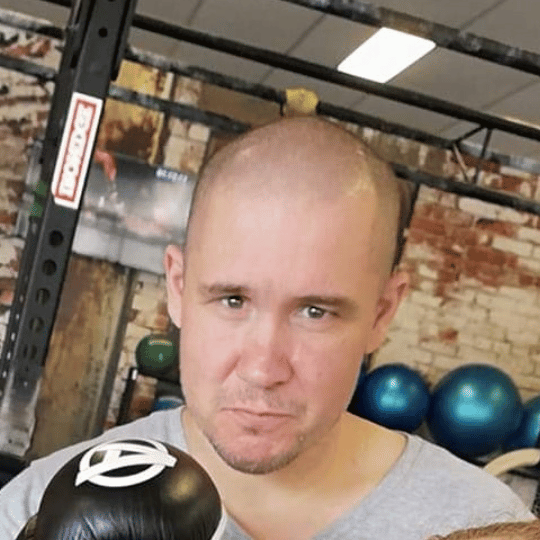
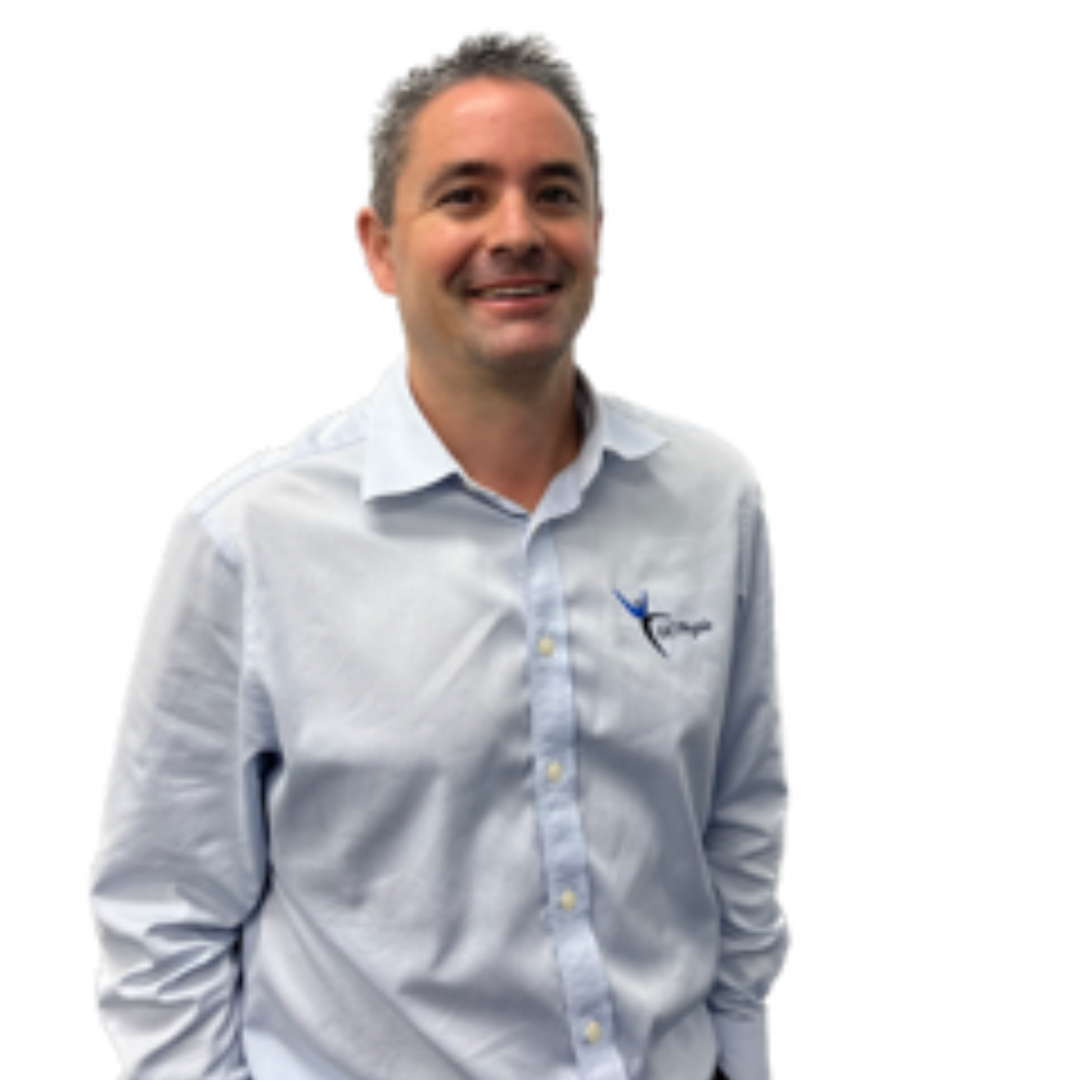
[00:00:00] Speaker A: Welcome to another episode of Vicarious Insights, the podcast where we delve into the diverse world of disability services, bringing you insights from professionals, parents and individuals with lived experience. I'm Jace, your host. Today we have Stu, the owner and lead physiotherapist at UC Physio. With clinics located in Upper Coomera and Pimpama, UC Physio offers a range of services specializing in general musculoskeletal physiotherapy, sports injuries and chronic pain management. Stu and his team are dedicated to providing personalised and effective treatments to improve clients physical health and overall wellbeing. Their approach combines hands on therapy, exercise prescription and education. Thank you Stu. Welcome to tell us a bit about yourself and what got you into physio.
[00:00:44] Speaker B: That's a good question. When I was in grade ten, we had the opportunity to do work experience. I tried to get into a civil engineering one. Sifting rocks to make sure that they were the appropriate size didn't really quite make me entertained. It's a little bit more than that, but that's what the experience taught me. And it was definitely something to not go down that track and start to head into more of the health and fitness and some of the things I was more interested in. It's good to knock the civil engineering thing on the head pretty quick, get.
[00:01:17] Speaker A: That out of the way. That's what work experience is for, isn't it? Give you an idea if you like it or not.
[00:01:22] Speaker B: Exactly.
[00:01:23] Speaker A: More puzzle pieces to play with the physio side.
[00:01:25] Speaker B: I imagine there's a lot more diverse than that. I learned a lot about road base and how roads are manufactured into different sized rocks for different levels and layers. As a grade ten student that was an eye opener, but not an area that I want to work in.
[00:01:41] Speaker A: I can see the interest. So now you are also. You're in some pretty high level sports yourself.
[00:01:47] Speaker B: I competed in track and field touch as a junior and played hockey as well when I got old enough that I was unable to train as much as I want to maintain good times for, say, sprints. And I had a couple of years off and came back into hockey and after a few years more social decided that I wanted to try and go further. We made a couple of state based teams that played at the nationals and did prep work for the Gold coast teams and the Masters. Injuries catch up with all of us and I have one that means I can't play hockey anymore.
[00:02:23] Speaker A: Oh no hockey at all anymore?
[00:02:27] Speaker B: No, not anymore. No. My shoulders. Undergoing experimental treatment to try and make it better. So I've got some big cysts in it and we're trying stem cells. Had the first injection after harvesting last week on Thursday.
[00:02:43] Speaker A: That's at the forefront of stuff, isn't it? You're the crash test on me.
[00:02:46] Speaker B: Pretty much, yeah. There's not too many people who've been injecting shoulders, mostly hips and knees, where typically the arthritis gets done. Can my stem cells build some stuff back in there and prolong my career? That's the reason for doing it.
[00:02:59] Speaker A: Keep me updated with that. But there'd be a lot of science and smart people out there working their angles and understanding.
[00:03:04] Speaker B: The clinic down in Melbourne released a new study last week. While I was waiting, they were getting ready to be bombarded for the next three months with phone calls, so sent them an email, got something back pretty quick.
[00:03:16] Speaker A: Okay, fair enough. So with that, now I know because I've actually worked with you guys. I did my placement as an allied health assistant. I know you work with people with disabilities.
[00:03:27] Speaker B: Yes.
[00:03:28] Speaker A: What led to you as physios, as a business to working with people with disabilities?
[00:03:33] Speaker B: Physio and disabilities always had a little bit of a role. Just depends on the clinic scenario and situation. For example, my wife who works in our clinic, she does mostly the pediatric stuff. She used to work for a different organization, primarily in that disability field. As funding models changed, then the models of funding enabled it to be more accessible to private health clinics, more so than just NGO's non government organizations. The not for profits were originally the ones who were in most of that space and charitable organizations and some of those having a hard time maintaining viability at the moment. Some of them are no longer offering allied health more scope for people with disability to get out and access physio in whatever component they needed.
[00:04:24] Speaker A: Yep, and I imagine so with the NGO's. So that would be physios donating their.
[00:04:29] Speaker B: Time to NAS, typically. So it would have been when Nomi is working for Montrose access that she was with them in Queensland. They've malaglimated with another organization. I can't quite remember who. Terrible Paws League was there originally and they've now changed. They don't have so many people in the allied health at the moment because it's just not as viable. But there's more. Those not for profits in Tassie, for example, would be St Giles. And I can't remember the organisation in South Australia, but the different organizations would have picked up state government funding as opposed to pay for service.
[00:05:05] Speaker A: And when looking at further education, upskilling, keeping abreast of new information, new ways of doing things. Helping all of that costs money. The difference between a business and a not for profit is this should be a little bit more spending money for things like that to upskill stuff.
[00:05:27] Speaker B: Oh, you'd hope that there would be. It hasn't always turned out that way. But generally in private practice, therapists have particular interests and they want to upskill in particular areas. And that makes our life easier as business owners where we need to get our staff skilled in particular areas to service the community. We're lucky in the way we've set things up. Myself coming from a musculoskeletal private practice clinic background, and know me coming from that more NGO background in pediatrics, we really looked to set up the business where we could go. Okay. Rather than just trying to get all our therapists to model off us, we want each of our therapists to have a special interest or drive their interests. So it's much more pleasing to work. If you can drive your own interests, then working is going to be much more fun and interesting, and it's going to be more enjoyable when your career will hopefully last longer.
[00:06:22] Speaker A: I'm only a few episodes deep, but I'm already finding crossovers. I spoke with James a couple of episodes ago. He helps businesses see their strong and weak points. One of his big things was diversity of thought, which is exactly what you've got there. But I can see from this angle. Hang on, you're thinking about this a little bit different than me, and that's a good point that I'd never thought of, which can allow for other things because it takes more than one head. Right.
[00:06:50] Speaker B: I can't be the best at everything. No need for me to be the best at everything. Work out what you have better skills in if you enjoyed that, target that and work in that area. If. If we've got a staff more interested in certain things, supporting them in those areas is going to be more beneficial because they're going to love doing it and hopefully they'll be good at it. You know, self promotion makes life easier. Rather than relying enough to continually, you know, drive the, the bits or cash.
[00:07:19] Speaker A: Flow, the passion is going to push that more. Hey, I'm enthusiastic about this, for real, not just for a page, which is an exciting way to come to work, to know that it is going to be new.
[00:07:29] Speaker B: It's not always the easiest thing to do, because sometimes when you have therapists have gone through uni and they've been very much trained to think of things in more of a hospital kind of setting where there's always a patient, there's always the next one. You know, come in, come out and fix them, off and off they go. And sometimes when people have been trained in that fashion, they don't necessarily have the skills to self promote and let other people know where their interests lie. That has been a little bit of an issue. It's been hard for us to, in certain, some respects, to drive people's creativity and pushing themselves out of their comforts. In terms of talking to other people, that has been a bit of a hard thing. But current team are, they're pretty happy and pretty good at doing it.
[00:08:20] Speaker A: They seem pretty happy while I was there.
[00:08:22] Speaker B: Oh, yeah.
[00:08:25] Speaker A: So you've got a pretty good dynamic there. You've got a bit of versatility and, yeah, it was actually interesting being inside the physio. So from pt background and coming into seeing the different things, like, there was actually a lot of things in there coming in. Physio is. I had this basic idea. You break something, pop something, put something in the wrong place, physio helps get it back. That's the dumbed down explanation. But there's a lot more that you can do.
[00:08:52] Speaker B: It's such a wide area that you can choose to focus on what might seem to be a small. If you happen to get that as what people know you for, then you get lots of people being referred for those particular things. There's just so much you can work on and so many problems. People have a myriad of different things that you might want to work on, ranging from vestibular balance disorders, general musculoskeletal things like sore necks, backs and shoulders ankles, all the typical things that people would associate, usually with a clinic, ongoing or chronic pain scenarios, developmental delay from children or herbs, palsy or other things that people happen to be born with. And that's just touching the musculoskeletal side without even thinking about respiratory or other neurological things, whether it be Parkinson's or as people get older, they need a little bit of extra strength and conditioning, and I think a bit of extra strength and conditioning. When you combine a couple of these things that might be going on, then a lot of the time getting a base strength and conditioning and then being able to work on whatever other needs or goals that they have is what we need to do.
[00:10:05] Speaker A: That was something I learned in there. I learned a lot, but noted that vestibular stuff, the dizziness and things like that, though I never thought about going to a physio for that. Take a pill I don't know. I'm not sure what I thought would fix that. Just live with it. But there's a specific way to work through that, to help that. So someone that does have chronic dizziness and that go to a physician, Jessica.
[00:10:28] Speaker B: One of our staff, her passions is to work in that vestibular environment. That's a specialized area where you do extra training. All of us will have a basic understanding and be able to do some of the more basic things that everyone should be able to do if they're qualified. Physio. But I. Once you've gone and spent a few extra days or weeks doing extra courses, then it should be, and it is a little bit more interesting to nitpick the tiny bits that make a little bit of a difference in terms of why to choose a particular exercise rather than another, or why to progress or not in certain scenarios and environments.
[00:11:08] Speaker A: Cool. I was amazed to see people leave and go, holy crap, like, that worked, and I want you to go, really? That worked? Wow. And then the other. Another thing was Parkinson's. Not something I would have. It would have been on my radar that we would go to physio. So there's Parkinson's and things like dementia, and that that can be something that you. It's not going to fix it, but what would a physio be doing for something in those situations?
[00:11:36] Speaker B: Parkinson's, there's different or changes that have happened since I was at uni to what's actually being done now. The goal of most, I guess, Parkinson's stuff. So we'll separate that from dementia because of two different things. But so the Parkinson's really looking more at looking to improve the strength of the nerve signal to the muscle, and all that originates up in the brain. So if you can make movements large, strong amplitude, you're going to end up getting a stronger signal and help to overcome some of the problems that can happen with Parkinson's. That's a very broad summary and grossly oversimplified, but essentially what we want to do is get some of these movements happening, a stronger, faster amplitude, so that we can get better, stronger nerve connections, and then some of the deficits in neurotransmitter aren't as much an issue.
It's got to train the system with any movement pathway. It's a memory. They're trying to trigger any skill acquisition, any movement that you've learned, whether it be writing, handwriting. We're trying to strengthen those movement patterns. If we can strengthen those pathways, you don't need much to trigger them, just like any memory or anything. If you can strengthen the pathway, that's a lot easier. The neuromatrix, if you want to get a little bit more complicated, but it's basically it just a whole bunch of connections and neurons.
[00:13:06] Speaker A: So, with Parkinson, I think Michael J. Fox, I grew up in that. He's Parkinson's, isn't he?
[00:13:11] Speaker B: Yep.
[00:13:12] Speaker A: And I think, like, the shaking, and, like, I've watched him on movies, like, actually playing a part with Parkinson's.
So is that because the information going there isn't as strong, that's more driven.
[00:13:26] Speaker B: By things where the nerves are bunched up into control centers to overcome those? If we can strengthen the pathway going down, it can override some aberrants, things get sent down or sometimes don't. Think of the nucleus, where nerves bunch up for various different things. There's different nucleus for different things, and particular for Parkinson's, there's different spots where. So some of the neurotransmitter that's involved in that is just not in the same quantities that it should be. And so that's where more of the, I guess the shaking comes from. I think I'd have to breathe up on that. It's probably been seven years since I last looked at it, but it'd be probably more looking at the nucleus or some of the nuclei.
[00:14:13] Speaker A: And there's also some things you can do with people with dementia.
[00:14:19] Speaker B: I think dementia is really just trying to make people not decline.
[00:14:24] Speaker A: So it's keeping it that, rather than getting down to here, if we can keep them a few more years along that way than that, potentially.
[00:14:31] Speaker B: I haven't worked with too many people with dementia specifically as their prime diagnosed for quite a while. In nursing homes, physios will often work with people with dementia, mostly to make sure that they are maintaining strength conditioning and reducing risks of falls.
Yeah, falls prevention. Various different things that physios may do to enrich the environment. So sometimes you might see pretend bus stops being put in various different spots, because people used to visit a bus stop and they would go there, wait for the bus, and then they'll just start to complain that the bus is late again and someone will distract them, and then off they'll go and find something slightly different. That's in the worst case scenarios. There's different things you can do when they're not so bad, but it's really just looking at maintaining strength conditioning and enabling people to stay out of care for as long as possible.
[00:15:27] Speaker A: I'm working with the client approaching those things, so I'm picking anyone's brain that's got more info for me there. In your penpamai clinic, you do a lot more peds.
[00:15:35] Speaker B: We started with the upper Coomera clinic, planned as an open plan to make use of the light and windows. We found was a bit of a problem, was it was so inviting, would have lots of kids kind of go through into the gym area. From a safety perspective, particularly as a business owner, whom, if there's anything wrong, everyone has to do paperwork in terms of making sure it doesn't happen again, that environment was not ideal for the volume of kids. We ran out of space. We were looking at trying to make it a little bit more safe and make it so that we could have kids slightly more down one eight and separated from the heavier stuff that adults might be doing down the other end.
[00:16:17] Speaker A: Yeah, okay.
[00:16:18] Speaker B: Definitely separated out. And so we've got a few different therapists that primarily would call them the Peds team, and they work on primarily things that are usually funded under NDIS. Doesn't have to be under NDIS, but usually that's where the bulk of our peds funding comes from.
[00:16:41] Speaker A: What would be some of your most usual conditions or things that you work.
[00:16:46] Speaker B: With in that department in the pediatric area. It ranges from herbs palsy, cerebral palsy. I think there's some who've got fragile x. There's a unique few people that have very rare diseases or conditions or genetic. There's one of those ums, again, some of those genetic or rare genetic disorders. Sometimes you don't know what that is until you have to go and read up on it, work out exactly how the person's going to present. And usually the team will do that. If they get enough information beforehand, they have a bit of an idea of what assessments they're going to need to make. I think one of Naomi's specialized interest is spinal muscular atrophy. He's spending more time than the average person treating and reading up on those. Along with muscular dystrophies, there's a few different types of muscular dystrophies. That requires a unique set of skills. Often there's certain things that you have to be aware of as a therapist that are going to happen to that particular style of client, and you have to be mentally prepared when things don't go as you would like.
[00:18:02] Speaker A: I would imagine you spend a fair amount of time with those clients. You get to know them, you care.
[00:18:09] Speaker B: I don't in my role so much because my role is more musculoskeletal fix.
[00:18:13] Speaker A: Them get back on the field.
[00:18:15] Speaker B: More traditional prior practice clients, clients who have passed away. We've got a photo that the mother sent out to various people that still hang up in the garage on the fridge. So, yeah, there's definitely things that you have to be aware of that are going to affect you from a mental standpoint. Because once you've seen how someone, when you first meet them, there might be, say, five, and then you follow them through until they get to, say, 1215, and it's looking a little bit harder for them at that point. It's very hard to know what's and how to deal with it and then more importantly, how the family's going to cope with it, because you have to have that compassion and that care.
Knowing where they are as a five year old, but also knowing where they're going to need help as a twelve.
[00:19:07] Speaker A: Year old, knowing that's where the train's heading, but you going to make the carriage as comfortable as possible along the way and as strong as possible.
[00:19:16] Speaker B: It's not always going to be palliative, but there's definitely times where you need to be aware when certain signs start to happen. You need to get them into a wheelchair. And knowing things like how long it takes for wheelchairs to get approved under various different funding streams is quite an important aspect to the job. Because if you know that they're going to need something in one year's time, and it takes around about nine months to get the paperwork, trials and the approvals done, but it can take a while to get some of these things done. If you're not aware of the signs that are creeping up, then you can have someone who's unable to move in the community, then all of a sudden things will deteriorate much quicker because they just can't get out and about. So it's about knowing where things are going and getting ready for the next stage if it happens to be that way.
[00:20:08] Speaker A: And that's where the benefit of the report writing from somebody that has been through it understands the system, but also understands the individual, what they're going through, and those timeframes. So having that report written before the next funding rollover or review can have that funding ready to go.
[00:20:29] Speaker B: It's very important to get those reports on. They take a lot of time. They need to be written that someone from a non health practitioner perspective look at it and understand where we're coming from. So it does take a little bit of deciphering and trying to write something easy to read so that things will be followed through. Sometimes those reports, testing and outcome measures take a lot of time to complete. It's not something we like to do. Usually as therapists, we like hands on and actually seeing that we're making a difference. But knowing that what you do from a paperwork perspective now than help someone, sometimes twelve months down the track, I think that's the important bit. And once you've seen how it works and you've got on the front foot proactively, then you can go, okay, that's where we need to focus more time and energy, because if we don't do that now, then we're going to have a problem later.
[00:21:25] Speaker A: Yeah. Preventative is always better than curative, isn't it? That was actually leading into probably one of the next questions I was going to ask, which, what are benefits and problems that physio can solve for people on the NDIs?
[00:21:37] Speaker B: On the NDIS really depends on what the goals are. One of the things that we have to be mindful of is because we've got such a large scope of things that we can potentially do, we have to make sure that we're addressing things according to the goals that people have. And if we are just finding random things that we can fix with anyone, I can go to any shopping centre and find things to fix. It's more about, from the NDIS perspective, what it is that the goals are approved for funding. If they've approved particular things, then that's what we need to work on. If there's certain medical things that would fit more on the medical system and they're on NDIS, we can't address those under dis if it's not related to the goals.
[00:22:27] Speaker A: From my small pocket of the world that I've worked in, I find that you don't know what you don't know.
So going to a professional can help with that. But even then, like, if they're coming, so if someone with disability comes to you and they're like, okay, my plan says this and you're like, I can see that this and this needs to fix it, but we can only work with peers. Is there a way the parent or a person with a disability coming and say, can we have an assessment here and see what other things are happening that maybe we could direct to make future life better? And can then that be taken back from a professional, from you guys as some information to work on their goals? Does that question make sense?
[00:23:09] Speaker B: That makes perfect sense. Depending on the plan and goals, there'll be scope. If someone's on the NDIs to then do a complete assessment and then go, this is something that's going to happen. It is related to the disability that they have, and that's the disability that things have been accepted for. And then we can submit that sometimes you can have a plan, plan review, or if people haven't liked what's in their plan, if they argue for things within a given timeframe, they can argue that certain things need to change.
Generally, the goals are written nicely and broadly, so that gives people more scope for changing things, assisting in the right direction. If people aren't on the NDIS, we can look at assessing things and making recommendations, whether it's an NDIs thing or even if it's not an NDIS thing, there's definitely other funding models for different things that are out there. And definitely third party is one that things have taken time to fix up in the past.
[00:24:14] Speaker A: Okay.
[00:24:15] Speaker B: The physical conditions, or someone might be in an accident, for example, and years down the track, they've still got issues from that.
[00:24:23] Speaker A: If something's being covered by insurance, does that have an end date 20 years later, you realize that this thing's happened and it's actually been triggered.
[00:24:33] Speaker B: Yeah, that's a good question.
That's a big question, yes. So there's definitely some things that you can look at and go, that has been caused by an accident, but if someone's accepted a payout, then trying to get that reopened will be very close to impossible. It'd be very hard to get anyone to change anything in that respect. There are other things where people might be on longer term insurance. We do have some covered for different things. Those plans work is obviously a little bit different to the NDIS because it's not the national disability insurance scheme. It's a different funding model company trying.
[00:25:14] Speaker A: To make a profit. They don't want to be paying you for the rest of your life.
[00:25:17] Speaker B: That's an insurance company. Insurance companies have to report back to shareholders. As much as we don't like it, that is part of their business. They've got to make sure that what they're getting money for is getting used for the right things, but also need to make a profit because that's part of their business. If they don't, they're broke and there's people without jobs, and that's probably a worse scenario.
[00:25:42] Speaker A: Yeah. Yeah. There's always a bigger picture than we can see. We briefly did this before, but what are some things physio can do our listeners may not realize or may not be aware of?
[00:25:57] Speaker B: So let's start off in the young age group. So the pediatrics, if we start from someone who's just born physios, will be looking at primary reflexes and working out whether they're integrating at the appropriate times, then getting people to usually caregivers to get them completing exercises or movements to try and assist. Once that been looked at, we want to make sure that the child's meeting milestones. So if they're not meeting milestones for whatever reason, than looking at ways to get things moving so that they can meet milestones.
If you're missing a little limb, so it might be a congenital thing where you're missing a bit of or a bit of leg, then they're more your typical. You probably think of them as more amputees, but sometimes it's congenital. Sometimes we need to work with those people to help. No basic activities during life. So whether it's coordinating with PE teachers to make sure kids can throw and catch or sit normally in a classroom, there's a lot of stuff. Talking with schools, we can make a big difference. Any musculoskeletal tissue injury is something most private practices will be pretty strong on. There's different ways and means of addressing each of those injuries, whether it's a joint tendon, muscle growth plate issue, some sort of supporting injury, head knocks, concussion treatments, and that leads into vestibular and headache and migraines. And then the area I'm more specialized in is more in the hypermobility and dysautonomia, where we have various bits of the body that just aren't processing information and not keeping homeostasis as well as we would like.
That's a big area that is probably poorly treated from the medical system in general at the moment, there's some great doctors and therapists working on things in the pot space at the moment. Postural orthostatic tachycardia syndromes. Your heart's beating faster for a reason that we might not understand. A whole variety of areas where physio can play a part, where moving in certain directions or strengthening or conditioning things can be useful and just depends on what it is that we're trying to target. But a range of conditions, from a reflex not integrating to losing reflex integrations. People get older or signals from brains not getting to various spots, or just something a little bit more simple like someone rolled an ankle. Yep, or my own shoulder. Some arthritis insists we've got to maintain the strength at a particular joint, making sure we don't offload too much onto other joints.
[00:28:43] Speaker A: So talking about shoulders, I came in to you guys to fix my shoulder. Pain free. I can push pain free now. I should tell Jordan about that.
[00:28:50] Speaker B: Sure dig. Sure dig.
[00:28:52] Speaker A: Not have you yet, but I can push back to what you were saying with milestones. If your kid is unable to do a, b and c by because you've got milestones, there's specific things that they backed most kids to be able to do by this age and this age. So I don't have kids. So is that something like, are you going to a doctor and their doctor's going to tell you at a six month appointment, hey, this is where they should be. Keep an eye out, or if you're.
[00:29:19] Speaker B: Not paying attention, it might not get picked up. There should be clinics where kids are checked and the GP will usually ask or check. Pediatricians will usually pick those things up when they have their routine reviews at certain points. Yeah, sometimes it gets missed, though. Not being a pediatric therapist myself, I'm always one who's got to look at what they are on a piece of paper every time I need to know it. With the therapist we have, they know just by asking certain questions. Are they walking out crawling yet? Sitting. Can they transition from sitting to crawling? Is the left leg symmetrical to the right? Are they things not happening? Is the foot not coming up into dorsiflexion when transitioning? Sometimes just observing, when treating or assessing someone, those little cues, you might need to repeat it to see if a child has just moved a particular way or can they not actually do something? The next question is, why can't they do it? Why is that not integrated?
[00:30:25] Speaker A: Yeah.
[00:30:26] Speaker B: And that is. That is a very good question because there's so many answers to that.
[00:30:31] Speaker A: Yeah.
And then that's when you go in and you do what you do, you.
[00:30:35] Speaker B: Have to assess and work out where.
[00:30:37] Speaker A: Intervenes early intervention, preventative things if something may not be going on the same path, is what everybody else's expectations for an age group is. You're going to potentially, hopefully, have a better outcome later on in life if you can nip that in the buttock.
[00:30:55] Speaker B: Under the NDIS, some of those things are funded. But before the NDIS gps would refer off to early intervention, the system before was called better start. And depending on how someone got on that, they'd be referred off to someone who was approved, better start practitioner or provider, and that would usually have a particular amount of money that they had to.
Upskill is the wrong word, but had to try and get them up to meeting the milestones. And there's various different mechanisms or services that were appropriate for depending what was wrong.
In terms of early intervention, though, that's not necessarily just a pediatric thing. If you have someone who's got a condition or picked up a condition later on in life, if you know that you can prevent things from deteriorating later on by having an early intervention, that's something that can still happen as an adult. It's not just a pediatric thing, more common in pediatrics. But under the NDIS, if we think early intervention is necessary, we can tick that box, and hopefully they will consider it as something that needs acting on sooner rather than later.
[00:32:13] Speaker A: It can make sense from their funding perspective, too. If we get that in the bud now, that's ten grand. Whereas if we let this go and the ball unravels and you've got more fixing, more specialists than that's 50 grand later.
[00:32:25] Speaker B: Whether it's numbers or quality of life, people often lose perspective with is more. The NDIS is trying to get people participating in community, and if I was putting a government hat on, it was, can I get people in the workforce? And if I have people in the workforce, can I keep them in the workforce? Because essentially, that's where taxes come from, and that's how they make money, and that's how people stay happy, feeling fulfilled. If you keep people participating, whether it's work, social aspects, or achieving what you need them to achieve, but particularly from a government perspective, if you can have someone employed, that makes their life a lot easier from collecting tax, but also not needing to maintain people. Part of the early intervention is just maintaining people in employment, in relationships, in a social environment. That's essentially the underlying goal of the whole thing.
[00:33:20] Speaker A: Yeah, that makes sense. That makes sense. That's a good perspective. So you've been. How long have you been. You mentioned you grade ten, you realize what you didn't want to do, and you knew straight away you wanted to get into physio hell. You've been in this for a while, right?
[00:33:34] Speaker B: Jason, you and I both know that you and I are the same age.
I started uni in 1990, I think, and I started working in 2004. It could be a year either side. I can't quite remember. It's a long time ago, but essentially, what's that? 20 years? Years being a physio and coming up to ten years owning our own practice.
[00:34:00] Speaker A: Okay. And over that time, you would have treated a fair few people?
[00:34:05] Speaker B: Yes.
[00:34:05] Speaker A: Can you talk about any successes?
[00:34:08] Speaker B: I can't think of anyone specific, but you always have those ones where you come home at the end of the day and you go, I really nailed that.
[00:34:15] Speaker A: Yeah.
[00:34:16] Speaker B: And sometimes it's just a simple thing, like I changed a basic exercise to something slightly different from routine and that has made a particular muscle work better. By getting that muscle to work better, it's just going to delay something else. I'm trying to think of something more specific.
[00:34:37] Speaker A: I'm aware, too, that you're probably going to have confidentiality going on.
[00:34:41] Speaker B: That particular person might not want to be mentioned. So there's definitely things along those confidentiality rules that we can't cross, but there's always ones where you go, I just nailed it. And there's other ones where you come home, think for hours until you come up with something that will work that's going to be different. I guess the more I treat everyone differently, I have a little bit of a thing where I just don't like guidelines so much. I realize they're there for a reason, but I think everyone needs to be assessed individually in name. But if I modify it just a little bit for everyone to make it a little bit more specific. As your personal training background will tell you, there's a deadlift and there's a deadlift and you can change that deadlift so many different ways. If you want to change a very simple exercise, like picking something up off the ground for one particular person, you do it one way. For a different person, you might go slightly differently.
[00:35:35] Speaker A: Yeah.
[00:35:36] Speaker B: If you're a power lifter, you're going to need to find the most efficient, biomechanical way of doing it. Yeah, but if you're someone who's not a power lifter, you just need to find the most efficient way for you to pick up something from the ground. Whether it's a pair of undies or a box that you need to take to work, it's going to be different for everyone. Finding out what people need, working out what their goals are, I guess that's. That's probably one of the other things. As I get a little bit older, one of the first questions I ask these days, what's your goal? Why are you seeing me? For people who say, oh, it's because I've got medical diagnosis ABC, that's great, but then I have to start unpacking that and go, what does that mean for you? You might have arthritis of your knee, but not everyone with arthritis in a knee needs the seeming. So why is it that you need to see me? What is it that you want to achieve? And then you start getting people going, ah, because I'm going on holiday and I need to be able to do A, B, C and D, that gives you more scope to work out where you need this person. One month, two months, five years whenever it happens to be.
[00:36:41] Speaker A: Yeah. Because then you can focus on the things that matter to them emotionally or as a person, and that probably helps them to do the homework, too. I'm doing this so you can frolic on your holiday. That's what I'm here for. I'll do this homework now, or because you have a long word name the.
[00:37:00] Speaker B: Doctor gave you, there's a different connotation and mindset that goes into, if you're a client, what is actually being given to you? If I give you something to do because you've got a sore knee versus something to achieve, that's completely different as physios or health professionals working out what that goal or working out what drives a person, that's how we need to get people to. To do what they need to do to achieve their goals. Yeah, it's nice and easy. Just come up with a guideline and 50 different exercises for a particular condition. But if we haven't actually got that personalized and don't actually know where the person needs to be in one month, two months, five years, that's not going to happen.
[00:37:44] Speaker A: Yeah.
[00:37:46] Speaker B: You wouldn't do it. I wouldn't. Unless there was actual reason for everyone busy. If you've got a reason, you'll make time because you'll see the point. If you can't see your point, you won't do it.
[00:37:56] Speaker A: I found that was a pt, too. There's stuff that physios give you. You dumb it down for us. Like, you're like, okay. Your body's doing all these different things and you've got this injury the quickest from two points. The straight line is if you can get in there and strengthen this little muscle, all you got to do is this. Just do that ten times a day for three weeks and that muscle is going to get a little bit stronger. And people come away from physio and they're like, oh, it was crap. All they told me to do was this.
Did you do it? No. Is it better? No.
Should you have done it?
Because you unpack that. You unpack the puzzle, you look at the easiest thing. So I've had a lot of clients come in and they're like, oh, I stuffed my ankle, honey, whatever. Years ago, I went to physio and didn't get fixed. So I've just dealt with it. It's like, oh, what did physio do? They gave me a couple of minute exercises.
Did you do them? No. You can see it on their faces. Jordan's on them.
[00:38:55] Speaker B: I should have done.
[00:38:55] Speaker A: Yeah, should have.
[00:38:56] Speaker B: Eh, Jordan's watching. I'm gonna pick you up on your exercise prescription. Three by ten.
[00:39:02] Speaker A: Three.
[00:39:03] Speaker B: Not good.
[00:39:04] Speaker A: I know. He made me do.
But they were easy movements. For me, it was lying down, which is great. I enjoy that. And putting my. My hand backwards, but. So I was lying down on my belly and pushing down into a book. It wasn't much effort. There was a bit of strain doing the push to get the muscle activated.
You could do it whenever you want during the day. I would still forget. I'd come back to him and I'm like, hey, I've got no appointment. So I barely did the exercises.
Then I started finding tricks. Like, I put a stack of books in my hallway. They were in my way, and I'm like, jace, it takes five minutes. So I'd lay down and put my hands on the books and do that. And he gave me an exercise plan to do at the gym as well. Once we got to a certain point, it was the movement itself. What I had to do wasn't intricate or complicated or maybe Instagram worthy. That's what people want. They go, okay, I'm going to see. A physio is going to give me this cool exercise where I stand on one leg, rub my finger in a socket, and that's what it does. And they're like, what do you mean? We're all special little snowflakes, right? We need that weird, unusual Instagram thing, but the basic stuff we need to do to fix it.
And it's me, too. I know my clients have done it, but I'm as much to blame as them, too. So I'm putting the thing out there, man.
[00:40:21] Speaker B: Me, not all means not all me.
[00:40:24] Speaker A: That's something we've found as the pt that people miss. That can be 1020 years of pain that you just learned to deal with, even though they were in a position earlier on to actually fix it and nip it in the butt.
[00:40:37] Speaker B: Yeah.
[00:40:38] Speaker A: And if they do that, then they take their pain, and they also make.
[00:40:42] Speaker B: You guys look better, because there's specific things to get specific things better. And then there's overall strength, conditioning, flexibility. If you're injured, you might need the first, but if you're just living and you don't really have any kind of specific complaints, you still need to do the second one. People like doing the second one. If you're younger, maybe the Instagram folder, then it's not so much Instagram. Maybe those things that you like to do, they're things that you probably want to be doing to maintain health and fitness. Yeah, yeah. Doing some of those little movements. Sometimes all it is just tweaking something a little bit. Sometimes they just have to do something heavier, heavier, lower reps and just depends on. Yeah, exactly what needs to get done.
[00:41:31] Speaker A: Yeah.
And that's probably the fun, is the puzzle.
[00:41:35] Speaker B: The puzzle is always the thing that's driven me, particularly with more odd presentations I get these days. Why is that happening? When did it start? What genetic things are going on? What you, what are your parents like?
How's that all been happening? What does food do to you? What does your job involve? Have you changed your job?
That job involves sitting more. That job involves looking up more, what's happening to the body, how's that affecting things? And once you start to put those puzzle pieces together, you can come up with a vastly different person. Even though they might be complaining.
[00:42:15] Speaker A: How we get out of the car every day is wraps and the couch is wraps.
I probably do more reps on the couch than on the car. What are some upcoming projects that you're excited about?
[00:42:25] Speaker B: One of the interesting things at the moment is Aihdenhe and how AI is going to change what we do. There's various programs out there. I've got a couple open my desktop trying to work out which ones we should try. That's more AI in terms of note taking so that we can be more engaged with the clients. We'll see practices using them. Hopefully we'll implement something so we don't spend as long taking notes and doing letters and reports and all those things which almost to us seem like a long time to achieve. Not a whole lot. Hopefully that kind of mundane typing job, whether it's just something that takes our notes and writes letters, or even if it just records as we're going, then that would be something that I think is, at least in other clinics, saving around three to 5 hours a week worth of paperwork. That efficiency is quite good to hear about.
[00:43:21] Speaker A: Yeah, that's actually really cool. When you said, I'm thinking what? You've got like a little screen there and they walk in front of it and it gives you data analysis. That would save a lot of time. They could potentially have it on record and be typing it out, but the AI could collate the data to what it already knows and learn to finding interesting points. You can look at it and go, okay, cool. That's exactly what I would have written. But also add this, you've still got the info you would have had, but you're not sitting there for five minutes, ten minutes, whatever. At the end of the session, typing fast, typer, or even if you've got a wrist injury, that's really cool.
[00:43:57] Speaker B: Historically, there have been concerns about privacy and the programs needing to send data off for voice detects to work efficiently. But those problems have been overcome. Nothing needs to get sent to an external processor anymore. In Australia, under APRA guidelines, we have to be really careful of privacy and where data is stored. Obviously, in this age, we want to make sure data is secure and everything. So having secure data and secure data processes is vitally important for pretty much every health clinic who uses a computer, which is everyone these days, almost.
[00:44:39] Speaker A: So to me it would make sense. Like back in my day, we need to go and buy our computer games, take it home and not have the Internet. We would play that. So it's an enclosed system. Here's the information that this voice typer, whatever it's called, needs to work, and then you've got that. It's a closed system. I don't get all of the back, but surely they could do it. And if they can't do it, they just ask AI how to do it.
[00:45:05] Speaker B: Requiring someone with more it skills than me. But essentially, under APRA guidelines, things aren't allowed to go overseas. So we have to have sub processes based in Australia and they need to be making sure that they're not using any overseas storage facilities for data. It's just making sure everything's appropriately secure, making sure that the australian government and the australian laws are applicable. As soon as you start storing something overseas, then it's not necessarily under the same jurisdiction. So it's complex, but I think getting that AI involvement is going to be more commonplace. And most therapists, from what I understand, when they're starting and they're going to be saying, okay, we've got AI recording, do you mind? I have heard no one on the things I've been reading. From the reports I've read, I haven't heard of anything yet. But physio practices, exercise physiology and gps, when I start to, they find more common place these days.
[00:46:11] Speaker A: So how would that translate then for you working directly with your patient? Is that going to mean that the session will be shorter or will the session be the same time, but with more work, it could go either way. They get direct things in that session.
[00:46:26] Speaker B: It could go either way. A lot of the time we finish the person and depending on if we're on time or not on time, then we'll spend the next 510 1520 minutes doing the paperwork related. That's not something someone needs to sit in the room and watch us do. But there is usually a fair chunk of paperwork depending on whether it's a work cover or team care arrangement, Medicare NDIs, it should just mean that stuff is done faster.
[00:46:54] Speaker A: Yeah.
[00:46:55] Speaker B: Whether or not patient gets more one on one time, the answer that is probably won't happen. If it needed that, then the consult time should have been longer in the first place. I think new graduate physios tend to try and do too much in a given timeframe.
By doing too much it ends up being not specific. As I've got older and as keep an eye on neural grads, things tend to be more efficient when we more targeted. Similar to your example, the targeted exercise for one particular thing, more targeted, so we don't know what's made the change and we need to be a little bit more specific so we can really identify that is what's made the change. That is where we need to get better. There are times where lots of things need input, but generally those are going to be more your complex presentations that they're going to need longer time anyway.
[00:47:47] Speaker A: Yeah.
[00:47:47] Speaker B: Whereas what we don't want to do is have something simple. We need ten different exercises and needling and massage and taping. If you throw everything at it, the consult time is really long and some things will have a positive effect, some negative effect. So that's where your experience and your clinical reasoning as a physio drives you to be more specific rather than throwing everything. If you don't know, maybe throw the kitchen sink at it. But it can be tricky. Another thing is working out intensive therapy programs, particularly over the school holidays. Families go on holidays and if we have people that are booked in regularly, then all of a sudden our staff may be less busy in those times, whereas other people might want more therapy in the holiday times. So we're currently looking at is it feasible for us to do it with staff members, with their own kids and families? It gets tricky around school holidays, but it's something that we're definitely looking at intensive therapy together because it's more cost efficient, more time efficient, or they might be less fatigued because they're not at school really trying to and get them working on whatever they need to work on during school holiday might be great.
[00:49:00] Speaker A: You should also have mum and dad getting kids there, but also they're like, hey, I have to take time off to look after the kids. But now I have 6 hours, 8 hours, I've got injuries.
Maybe it's time to look after myself. Kids are at their school holiday group.
[00:49:15] Speaker B: Rather than seeing one person once a month.
Depending on the frequency, every child's gonna need a different thing. But they might not have something booked in frequently. But it might be all of a sudden the therapist might go, you know what? We can achieve more if we condense everything during school holidays. We might do twice a week for 2 hours for two weeks and really work on that during the school term. Maybe we don't need to see them as often. It would depend on the kid or the adult exactly what they need and how the therapist is thinking that they'll achieve it. But it is definitely something we're looking at and I'm hoping we can get something happening from a planning perspective soon.
[00:49:58] Speaker A: Would that still be one on one style or being school holidays? Would you be open to group style stuff with that?
[00:50:05] Speaker B: We've had discussions with therapists about both.
[00:50:08] Speaker A: Pearls of wisdom. So for anyone that's listening, what would Stu's pearls of wisdom be.
[00:50:16] Speaker B: That wasn't on the cheat sheet? We're talking about therapists, clients, or just any.
[00:50:21] Speaker A: It can be to a potential client, to somebody that's got kids with a disability, to someone that's just got a disability from an accident or other practitioners, anything that you think someone needs to.
[00:50:31] Speaker B: Know from occupational perspective, first of all, try and find something that you are passionate about. Then it's not work, it's something you want to do. I definitely know people who have had career changes because they got stuck going to work and they just hated it. They decide to do something about it and you've got other ones who can't get out of it because they dug themselves in a hole financially if they can't find an easy way out to get retrained.
[00:50:57] Speaker A: Yeah.
[00:50:58] Speaker B: From a disability perspective, it's really going to be dependent on what kind of disability we're talking about. But given that I'm a physio and we deal a lot with physical disabilities, I think it is important to find a place in society. The person will feel valued and needed and I find an occupation. And I think what we would try and do as physios in general is get people so that physically they can participate, they can be involved.
If we don't talk about disability, that's essentially what we do with work. Cover people. We want them to get back to work. Being involved, it's not a huge leap to go someone's hurt their arm.
They're unable to do whatever it is that they were doing as a chef versus someone who's got a disability where their arm doesn't work quite as well. We need to work on trying to get that arm so it can move the joystick on the wheelchair or use a light switch. It's just a different task we're looking at.
[00:52:02] Speaker A: Yeah, I know he's being funny, but that makes a lot of sense.
[00:52:06] Speaker B: Absolutely does. That's why you call it vicarious insights business.
[00:52:09] Speaker A: Exactly.
[00:52:11] Speaker B: Name of the podcast.
[00:52:12] Speaker A: That wasn't someone I interviewed on the podcast. Was there anything I have missed you that you would like to.
[00:52:18] Speaker B: If people are interested in seeing us, we've got a discount for your viewers. Ethan and Dan, at the pimp and my clinic, we've got the discount price for private initial consults. So that's the $100 discount for the moment. So the $100 fee. So discounting there. Otherwise, contacting us via the website www.ucphysio.com physio. Or you can call us on 5618 triple one. Option one gets you to upper Coomera and option two to pimp mat.
[00:52:50] Speaker A: So Ethan and Dan, for the for the listeners, what would their specialties be?
[00:52:55] Speaker B: They're a jacks of all trade, so they can do a little bit of everything. So they both have NDIs clients. They both have work cover, third party and private patients.
[00:53:04] Speaker A: Thank you for joining us on vicarious insights. We hope that you found our conversation with Stu from UC Physio insightful and helpful. Don't forget to subscribe to our podcast for more interest, inspiring stories and expert advice from the world of disabilities support and fitness. I will provide some links in the podcast and on the website and YouTube. If you have questions or topics you'd like us to cover, reach out through social media or comments. Stay connected and keep striving for your best self. Thank you. Thanks, Stu. Have a great day.
[00:53:33] Speaker B: Thanks, James.