Episode Transcript
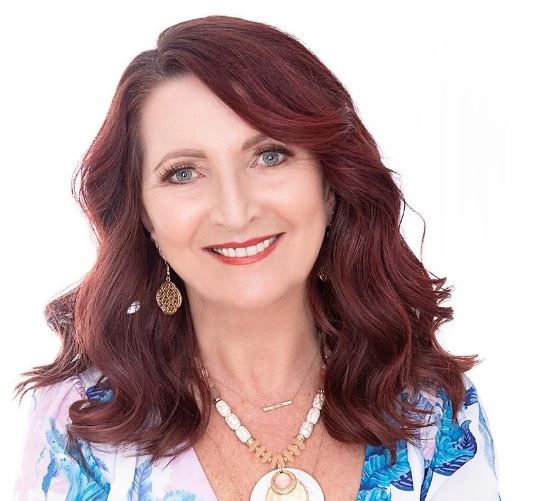
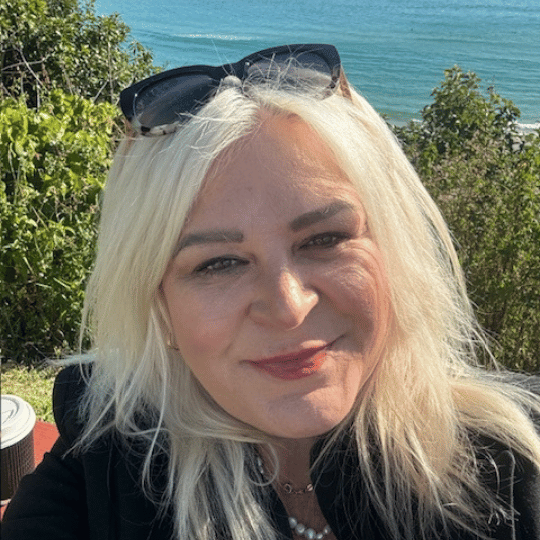
[00:00:00] Speaker A: Welcome to another episode of Vicarious Insights. Learn with me, the podcast where we delve into the diverse world of disability services, bringing you insights from professionals, parents and individuals with lived experience. I'm Jace, your host, and today we have a very special guest joining us. Our guest today is Vicky from Unify Disability services. Unifi is more than just a provider of allied health specialist behaviour support and comprehensive disability services. At Unifi, the ethos is built on the foundation of compassion, respect and an unwavering commitment to delivering personalised care that meets the unique needs of each person they serve. Today, Vicki will share with us the incredible initiatives unify is spearheading the challenges and triumphs of working in the disability sector and her personal journey and insights. Without further ado, let's welcome Vicky to the show. Vicky, it's a pleasure to have you with us today.
[00:00:47] Speaker B: Thanks for having me, Jace, it's a pleasure.
[00:00:50] Speaker A: We'll get straight into it. Bringing out the big arms. What inspired you to start working in the disability support sector?
[00:00:56] Speaker B: It's actually funny that you say what inspired me, because actually I came across disability sector by accident. It was nothing I set out to do. Kind of always had a helping hand in wanting to assist people. This role actually came out after a burnout role. I started volunteering, I got into disability, I was offered a job, and the more time I spent with people with disabilities, the more I was stepping out of my comfort zone, but also really enjoyed the interactions that I was having with these guys.
[00:01:29] Speaker A: Similar story there. I didn't choose the game, the game chose me. The same as you are, I think. I feel like a lot of people in this industry are like that. It's like, hang on, there's something about me, you think there's something about you that's drawing you in and you want to help, which is why you're still here. How long you been in the disability support industry?
[00:01:45] Speaker B: I started back in 2011, just before NDIS came into the picture. And so part of that role was, in the end, determining what sort of funding people would get by looking at their primary disability, secondary disability. And then I moved out of the sector for a few years and I've just come back into it, went into early intervention, and now across the lifespan, it drew me back in and, yeah, love it.
[00:02:12] Speaker A: Could you share a little bit about your journey and how unified disability services was founded?
[00:02:18] Speaker B: My journey started as a teenager, really became a charity challenge. Entrant for Red Cross, moved into Salvo store management. I did my diploma in counselling, I did buddy program for paradise kids, grief and loss, worked in childcare, worked in the disability sector. I did a parenting program for children for zero to five years called starting points that was to help parents facilitate how to be a parent, how to overcome those challenges from zero to five. So there's something that's always been about me in leadership that I really love doing and feeling like I'm helping people to help guide and support is probably my biggest thing. The Unifi story is interesting. They started with a vision to be one stop shop for disability services. We believe strongly in a place where staff can be part of a team that helps them grow, develop and be in the best position to offer high quality services to individuals within the community. It's a key message to advise participants that they're being cared for and supported by people who love their job team and believe in the Unifi vision. There's a clear gap in the industry industry, a lack of training, and with Michael's psychology background, he was able to provide in house training to the team to ensure that everyone had a solid foundation and understanding and knowledge of the disability sector. I think what's really good with Michael, he's the owner of the company, is that he doesn't believe in a hierarchy. He believes in treating staff fairly and that just creates an open space to share thoughts and ideas. His mind is so insightful and he speaks with wisdom and discernment. It allows you that freedom to be authentically you and be able to create those and provide those amazing services that we offer.
[00:04:08] Speaker A: That's actually really, really quite interesting. My previous podcast that's recorded and will be released soon, he was talking about the staff engagement and helping the employees to know where they stand and be able to grow and with the business and know that they've got somewhere to go is going to be better for the clientele as well, because that's the happiest stuff. So it sounds like you've got that where you are.
[00:04:29] Speaker B: It starts from the top. If you've got a great team culture and that's going to. To obviously make clinicians happy and that's going to filter through participants and that's what you want at the end of the day, because they need to be able to feel safe and secure and be able to have that rapport and trust within the business that they've gone with.
[00:04:48] Speaker A: I know you do a lot of stuff with behavioural support services. Could you provide an overview of the psychology and behavioural support services that you offer?
[00:04:55] Speaker B: We've got quite a big team about to open the third clinic in Melbourne and we're about to open up the clinic in Robina. We've got a team of two registered sites, have 14 leaders, eight provisional psychologists and 16 behaviour support practitioners. Psychology and positive behaviour support is our niche and that's what we do specialize in. We do offer community access as well, so that's something that we can do. We've got a team of over 70 in Melbourne already, big team of support workers in Melbourne here. We just sort of establishing that psych and positive behavior support is much needed and I think a lot of people confuse the two and what they both represent. We don't go into the we're going to provide you psychology and positive behaviour support with the same practitioner because then it becomes a bit of a conflict because they are separate things. We want to make sure that we're identifying which one is needed most. We can provide a separate psychologist and a separate positive behaviour support practitioner, but we won't have the same person doing both of those services. For the one participant, Ben, who runs the support working team, he's incredible himself. He has a wealth of knowledge, is big on making sure we've got some good processes and policies in place for the support workers and he's constantly checking in on them, taking care of them. So I think that makes a big difference. When you're reaching out to those support workers, how can we support you? What can we do to help? Having such a large team? Sometimes that can get lost. He's all over it and just really admire what he does in the space as well.
[00:06:34] Speaker A: You're opening the Rubina one. How long till that's open?
[00:06:37] Speaker B: Settlement happens at the start of July, so we're hoping around August. Obviously, we're still actively out in the community and we do telehealth services. We will have that clinic base as well.
[00:06:48] Speaker A: That's very close. I had to look at the date, then I'm like, hey, July, that sounds really close. That's really close. Also, you mentioned a couple of your different roles in there. So for the people at home and for me, provisional psychs, your behavioral support specialists, and you said you've got two practicing psychologists. How would you explain that to somebody that's listening at home? In a nutshell.
[00:07:08] Speaker B: So your behavior support is basically designed to long term supports with people with disabilities to understand and address their behaviors of concern, and they will quite often map out a plan to do that, just to try and create some positive changes within their skillset and improve their behaviour. Essentially, the registered psychologists and Michael's a registered psychologist as well, so I should say three. Basically that they're conducting testing, research, mental states, perceptual processes, cognitive functions. It's based on the human behavior as well, but it's more in depth training and treats severe mental illness. The provisional psychologist is like a psychologist. It's just that they're in training. So it's kind of like when you're in the car and you've got your pee plates. That's what the provisional is. They should be all qualified as registered psychologists within a short period of time.
[00:08:05] Speaker A: So they've passed all their tests, they know all of their stuff, and it's like anything is getting that on the job life experience, which, how would you say you tailor these services to meet the unique needs which we know in this industry? A lot of the needs are unique of each client.
[00:08:22] Speaker B: Yeah. Look, obviously we understand that everybody is unique themselves. We're unique, you're unique, I'm unique. I have different needs to what you have. I think the biggest thing is really being able to hear and understand what someone's needs are. Too often people make assumptions and they don't fully understand what someone's needs are.
In the disability sector, I think people with disabilities know what they need. It's just how is that communicated? And I think if you can take that time to really hear what their needs are, then that can be achieved through various ways and that it can be based on their age, it can be based on their cultural desires and needs. It's just a matter of creating that safe space so that we can build the rapport and trust. Otherwise therapies can't be effective. It's just really individualized on each person.
[00:09:13] Speaker A: Yeah. Spending the time and listening the rapport is very important and making sure that the comfort level is there and that you can establish that trust. Yeah.
[00:09:21] Speaker B: And they're able to share. You know, it's funny, you can get a referral come in and it can say one thing, but when you're actually talking to a participant, it's different to what the referral says. So it is quite appreciated that you're actually hearing what they say because then they can be adapted to what their needs are.
[00:09:39] Speaker A: Yeah, I suppose if you come in with a referral saying this and you're like, okay, I know how to fix that. I'm not going to do this. We're going to go down this path and the participants there going, but I want to go that way. What is this? And then you're going to listen and go, okay, we've got to adapt to that. Adapting is the biggest skill that I've had to improve since starting in this industry. There's so much to adapt to, so much to learn, so much to change.
[00:10:01] Speaker B: They can come in and present these issues, and then as the conversation takes place, like, obviously I'm not in the same session, but from my understanding is that they can display different symptoms and want to address different things. Say they might have alcohol abuse or something like that, but then as the conversation turns, suddenly they've got an issue with something else, and that trumps the alcohol. So it's just a matter of determining what's the priority and what's the need for that participant in order to proceed.
[00:10:33] Speaker A: So that that big ball of twine, isn't it? You unravel it and then you find out, oh, hang on, there's a knot here. And some things, I guess, as you're going and looking at the problems that you're aware of and the solutions that you're aware of, be finding some other things that may be catalysts, you can get in and explore that and go, hang on. Here's something that we can make a broader improvement that can help other things as well. I've been lucky enough to see some of my clients that have had behavioral support and psych in their plans. The differences and the changes, all of the underground stuff, the stuff that we don't see going on. But for me, for what I do, the stuff that I get to see is the change in their demeanor, how they interact with others, happiness, seeing this, like, oh, okay, cool. That was, they were here and now they're coming in and they're here, like, most of. Of the time. That's cool. That's those wins. That potentially that little course direction, something that you guys are doing could have in ten or 20 years time, like, maybe you're not still seeing them and maybe you don't get to see that. But knowing that, that little, little bit of a change that nudged over now and then down in the future, they could be a different human being, they could be living a more fulfilling life.
[00:11:37] Speaker B: Absolutely. And I don't think every clinician sees that progress. I've worked with clinicians where they're the, I'm not helping. I just feel stuck. They have challenges as well. I'm not being effective for this person. Like you said, sometimes it's not presented until later on in years to come, or you might not see those changes because you're too close to it. It's not until you sort of step away from it and they go, oh, wow. Actually there's a huge difference there. Don't always see that straight up, but when you do see it, yes, yes.
[00:12:12] Speaker A: It'S the wins and the guys that are able to get more out of the world because of the support that's out there and available, which then in turn makes us need to learn more so that we can help more and which helps more so that we get. Yeah. Anyway, yeah.
[00:12:27] Speaker B: I mean, growth. Growth is a big thing, you know, like that's a continual. You've got to be open to that growth. Like you said, you researching, educating, you know, talking to other people, that's how we grow and that's how we find out new exciting things that are happening in the space and then we can help others with that knowledge.
[00:12:43] Speaker A: Exactly what are some of the biggest challenges you face in providing disability support? On whatever level the support, there's a.
[00:12:50] Speaker B: Couple of parts to that. I think being able to provide a service where it's too far out of your scope of travel, that can be really frustrating because you want to be able to say yes to everybody. You want to be able to offer support, particularly in those under service areas. That's a real frustrating for me, especially when I see the need and there's no one covering those areas. Disheartening and frustrating. I think the other aspect is from a support worker point of view, that there's a lot of challenges there. Support workers have a really tough job and my hat goes off to them because I know it's not an easy role and there's just so much diversity within that role that they're not always met. Like there's not enough skill based training to offer people. And I think trying to find that right fit because sometimes participants, participants only need a few hours where, you know, you've got to try and find someone that's willing to work just a few hours because most people want more hours. It's the complexities too, of matching participants up with support workers because they may not get along, they may have different personalities. And then when you do find a good fit, sometimes it's often broken because someone's leaving or circumstances have changed and the participant leaves the area. There's all those complexities and I think there's never going to be an amazing system that covers all of those problematic areas. And I think there's just so much pressure on support workers that they often don't stay in the industry long because of those challenges that they have. If anything can improve in there, then I'm all for that because that's just such a challenge for them to get all of everything encompassed and even now they're asked to do injections or, you know, so many things that are out there outside their scope of practice about how do you qualify everyone to do all of those things, but then they might only need someone to take them out for the day. Do you invest all that training into somebody, but then they don't need that training and then they lose that training because they're not utilizing that training. There's just all those little bits of pieces that just don't all marry up. And so I think that's a big challenge within the whole NDIS space, to be honest.
[00:15:08] Speaker A: So you were saying before that one of the big challenges there is being able to access the remote people that aren't necessarily in your area is the telehealth something. Because you guys do offer telehealth with.
[00:15:20] Speaker B: The psychology aspect, it depends on the person, individual, whether they are open to that, because not everybody responds well, particularly in the psychology space. I know Ot's kind of have the same issues as well and speak. If it works, then absolutely great to give it a try. I do recommend people give it a go. Definitely something I would like for everyone to be able to access services, particularly psychology, with the demand of mental health and all the issues that are going on that just keep growing and growing. You know, there's such a need, I can't move quick enough to get it all happening. I'd love to be able to go, yep, we're going to do this. This is really sickly. Like, how is that going to work? And, you know, there are ideas that we can work around that maybe travel. Get a clinician and travel once every few months and do a week there in those underserved areas. So it's just working out the logistics of, well, who's. Who's going to be prepared to travel that far? You've got to take time away from their families. It's just one of those tricky areas that you definitely see the need for it, particularly around Toowoomba and Ipswich are a big need here in Queensland. So just trying to look at, well, how can we service those areas where it's effective, essentially?
[00:16:41] Speaker A: That's interesting. So I think of Toowoomba and Ipswich. Well, I think of them a little bit rural, that they're big areas. So even though they're big areas, they're under serviced with those sort of professionals.
[00:16:51] Speaker B: Yeah, yeah, I've definitely seen a lot of waitlists in the Ipswich area, four to six weeks for psychology from other providers that come through in the Toowoomba area. From what my understanding and I've heard from other providers is that a lot of people just kind of, because it's so under service, a lot of people will use those services to get an assessment to keep their funding, but they don't use the services on a regular basis because they're not used to having those services available to them. So again, I think that comes around education and accessibility and making those people in those areas aware that there are some services out there and what can they do to access those services?
[00:17:36] Speaker A: Yeah, that's something that I've come across a lot is people not knowing what's available for them or if they know it's available, knowing what it can actually do, knowing like, oh, hang on, I can get my son in to do this and this, and this will help him with these things which can have that potential effect later on. I just thought it was that it's getting that information out there and I mean, how do you tell everybody everything.
[00:18:02] Speaker B: You know and you're doing an amazing job by having these podcasts because that's part of education. That's part of people learning and knowing what's out there.
[00:18:10] Speaker A: And that's the thing. If we, by doing this, we find one person that goes, oh my God, I didn't know that that's what behavioral support was. Okay. I just thought that was for naughty kids or I just thought that was for this. I just thought that was like, oh, hang on. These are the things that they can change and that's where that can take them. These are all interesting. This is what I'm learning. I'm like, I didn't know what a behavioral support practitioner. I didn't know it existed before I met you, actually. I'm like, oh, okay, what is that? What can that do? Who can that help? Do I have any clients that might need those things? Is there a benefit for them? Are they on that path? Or if they go on that path, will that help them down here?
This industry, everything is so diverse. There's so many things that are out there. And I guess we all get confused by the noise too.
You go to one of those expos? And it's amazing and it's cool and there's so many different things. But which, which one do you look to? Who do you spend the longest speaking to? I don't know. I don't know.
[00:19:05] Speaker B: Yeah, yeah. And you're following like, there's social worker, there's a counselor, there's no mental health nurse. And even within the PBS space, like you've got your positive behaviour support which is based on restrictive practice but then you've got your behaviour support plan which there's no restrictive practice in that. So when there's restrictive practice then you have to go through NDIA to get all approval for that. But you can have a behavior plan without having the restrictive practice and I think that's where some confusion lies as well. Knows that.
[00:19:38] Speaker A: Yeah.
[00:19:39] Speaker B: So yeah, that just presents again and it comes around education and knowledge and.
[00:19:44] Speaker A: For the people at home. So restrictive practice. My understanding and correct me if I'm wrong, restrictive practice is when you're putting something into place and it has to be in a plan. It can't just be done. You've got to have it. You've got to have psychs go ahead and agree and go, yes, this is something we need to do. If you've got somebody that may be prone to self harm, restricting their access to the knife draw, is that along the lines of what restricting?
[00:20:07] Speaker B: Yeah. Or it could be even medication, somebody that might affect how they generally operate, that can be a restrictive practice through medications. There's a number of things that can be classed as restrictive practice. Medication is probably one of the biggest things but yes, self harm, knife draw, putting lumps on that. Some people might go, well, this person's overweight, they need to lose weight. So we're going to put a lock on the fridge. Like there's. Those types of restrictive practice isn't probably legal to lock the fridge but you know, you'd have to have a really good reason and then explain to NgIa why you're going to put those measures in place to back that up. You can't have a restrictive practice in place forever. You've got to be able to just base it on like six months and use some proactive strategies to make sure that you can ease off on those restrictive practices.
[00:21:00] Speaker A: Okay. And that's where the behaviour support comes in. You're looking at the psychology but you're understanding how the brain works. You're knowing, okay, well this is something we need to remove this situation for now and we're going to work on our step by step procedure to try and see what we can improve and then we're going to see what has improved or what is improving and then move forward from there. Is that the.
[00:21:23] Speaker B: Yeah, essentially that's a plan in trying to understand where the behaviours are coming from and by implementing strategies to make sure that we try and reduce those behaviors. That obviously can't be an overnight fixed. That's going to take some time to. And that's why the plans are longer than, say, a psychology visit. You want to be able to do it over a period of time.
[00:21:46] Speaker A: Yeah. But I understand that on my own level, my relationship with my fridge has not changed overnight, I can tell you that.
And that all boils down to dignity of risk, too. So that's. We're not able to just take these things away from these guys. And I've got to change the part behavior. My son, I give him a smack on the bum and tell him he's not allowed to play for his PlayStation for a week because he's in trouble. I don't have a son. I don't smack anyone's bum, by the way, but, like, as a concept, whereas someone with a disability, they have the right to make those mistakes, to be able to live as a human like we all do. We all have the right to make mistakes. So sometimes you've got to come in and put in that. That restrictive practice because it trumps that situation.
[00:22:38] Speaker B: It's technically damaging to them or to other people. And that's why you want to put in that rest through their practice, so that there's no harm in that.
[00:22:46] Speaker A: Make it a little bit lighter. Could you share some success stories that highlights the impact of your services on clients lives?
[00:22:52] Speaker B: The highlights for me, I can give examples where I've driven someone to the cycle that's planned to kill their husband and child. I've had parents on suicide watch seeing mums break down because they're just at the end of their rope. They have nowhere else they feel they can turn to. They're just pushed to the absolute limits. They're exhausted. And it will be nice to say, yes, I help all those families, and I do help those families. But I think what's more rewarding for me is little moments, because that's the job that I do and I help people and I support them wherever it's needed. But for me, the highlights is when you can see gratitude in someone's eyes, or you can see a smile because they're so appreciative of what you've done. One of my best highlights was a couple of children. One was nonverbal ac three. And took him about a year to realize that I was there, even though he saw me every week for a year. But one day I was on the phone to somebody, talking to them and he'd come out of therapy and he had shaving foam all over his hands. And he was dressed in Spider man. He came up to me like he was going to put all this shaving foam on my face. And what was great about that? You know, people probably think, what? Why is that great? But what was great about that is that it showed me he trusted me. Suddenly he came up to me. It took him that long to be able to. Every other time he walked past me, didn't acknowledge, didn't do anything. But this was like a breakthrough. Momentous. You could see that. Wow. He trusts me enough to feel that he can come and do that. Another little girl who would always like, look. Every time she'd walk past me, she'd give me the absolute dirgiest look, like, you know, what are you doing? Don't look at me. Don't be anywhere near me. Avoid me like the plague. After about the same kind of timeframe, about a year, I wasn't there. One day, this was a girl that came three times a week into the clinic, and she wondered where I was. So she asked someone where I was the next time I saw her. She then became like my best friend. She would come and she'd take my jewelry off and she'd put my jewelry on and she'd look in the top drawer, or I'd get to look after her baby doll while she was in therapy. It's those moments where you kind of see, okay, they trust me, I'm good. It's just those little moments of acknowledgement. You see that little breakthrough or you get that smile. In a previous role, I help someone, a prostitute who pimples way outside. And she just showed me this absolute gratitude because I let her have five minutes of eating a tin of tuna in the dressing room to change clothes. And it's really sad, but she just. The gratitude in her eyes, just. For me, it's those moments. And it's like life. We have moments in life where when we think of our memory, those things that matter to us and what fills our cups makes us passionate and do what we do, those are the moments that trump everything else. To me, it's not just necessarily one highlight. It's a mixture of those moments. Even now, if I feel like someone's on the phone and they're distraught or you've got a mum crying on the phone, like, I can be the calm to their storm. That in itself has a lot of power just to be able to hear someone acknowledge them and they feel they've been seen and heard. I can't. I fix anything for them. I can't change their circumstances, but what I can do is show grace and kindness. And I think when you do that and give someone time, that's what makes everything seem okay in the world.
[00:26:40] Speaker A: Yeah, it's those little things, I guess, that calm and storm. I've got someone to reach out to that they know is there, they can. Thank you for being there. Some clients are very specific in their plans, in what they do and in their habits, and they've formed their habits when it's mentioned to them or their advice, whatever, that a new support is coming into play. So something like a psych or a behavior support, do you have a way that you can lead in a participant to that comfort level of coming in and getting that help? Because first it's like, no, this is a person I don't know. You're not going to help me. I don't want you to.
[00:27:16] Speaker B: Mel, our wonderful clinician here in Queensland, she has actually had a participant that did not want therapy at all. She's really good with the way that she handles those situations and can, you know, come in and go, okay, if you don't want to see me, you don't have to see me, but let's just get through today or let's do a shorter session. Like, there are strategies that she can use to put in place to. Until you get to that comfort level of okay, this isn't so scary after all. And I think she does that well, and I think other clinicians do that really well. It's like we've said before, that rapport. And I used to say to clinicians as well, if particularly in relation to children, if a child wants to sit under the table for the whole session, let them. If you break that rapport, you've got nothing. They don't want to come back to you. You've got to create that rapport. It's the first thing that you can ever do to anyone. If I went to a psychologist and I've got someone that's in a suit that's really expensive and they're sitting across from the table, I'm going to think they're not going to relate to me at all. Like, how on earth are they going to understand where I'm coming from, you know, in their big fancy clothes and they, you know, and some of them are good, but you have to be able to build that rapport to find that out because first impressions count for a lot of people.
[00:28:40] Speaker A: I was just thinking about this kid coming away from the psych going, that's the best place ever. I get to sit under the table.
You're just like, yeah, we're gonna have.
[00:28:50] Speaker B: To go back like people in wheelchairs as well. You have to be able to get down to their level to be able to communicate, otherwise it looks like you're towering over them and you're. Or being authoritarian. You don't want to do that, you want to meet people where they're at.
[00:29:04] Speaker A: Someone said that to me earlier and I'm like, that makes sense. I wouldn't like to be like that to everybody that I ever meet. It changes the way that you're feeling, doesn't it? Being in different positions?
[00:29:12] Speaker B: Yeah, yeah.
[00:29:14] Speaker A: The word behaviour, behavior support. But the words behaviors, I know bring certain connotations to your mind. That's just the really, really bad negative stuff. But there's a lot of guys and girls with disabilities that may have behaviors that maybe mum and dad aren't aware. Don't look at them as behaviors, that's just one of my son or daughter's things. Whereas those behaviors may be something that's getting in the way of them getting the other things they need or a manifestation of what's going on inside and it's something showing that they might need some other support. If that's making sense. What would be a way for mums and dads to be able to see and notice, like, oh, hang on, my son running and hiding, my daughter running away every Tuesday. How would they identify?
[00:30:02] Speaker B: Yeah, I guess it depends if that's the norm for them. I think, you know, behavior, all types of behaviours, communication. Right. So you're looking at. Behaviors are generally an unmet need. When you're looking at where the behavior is coming from, what need is that person trying to get can be the environment, space that they're in. It's generally a need that's not met. What is that need that they need to be met? Is this on a regular basis? How frequently is this happening? Is this different to how they've been before? Is this a new behavior? What's triggered this behaviour? When you look a bit deeper into where this stems from, or. I can't remember ever not feeling this way. This behavior's been for as long as I can remember. Well then maybe it's time for a GP visit to discuss that. But if it's a new behavior, I'd be looking at the external factors like what's going on for that person and what is potentially that unmet need. Because we all behave to try and communicate and that's typically where behavior and communication comes into play, particularly for someone that's nonverbal. They don't have any other way to communicate other than through behavior. When you're trying to determine that are met me, once you find out what that is, then you can start addressing the behavior because you can try and meet that need in some capacity. Behavior is always there. Then that would probably go, okay, maybe there's an area of concern here. Let's go to the GP as a starting point and go from there.
[00:31:37] Speaker A: Okay. And so going to the GP, the GP is going to give the referral to a behavior support?
[00:31:43] Speaker B: Yeah, the GP can put in some recommendations or they might be a health issue that's going on. You don't know, but GPS generally your starting point. Or they might be able to write up a CDN plan, which is the chronic disease management plan where behaviors probably lasted six months. And then they can have like maybe two OT sessions, three psychology sessions, or, you know, they can have up to five sessions in one area, and then they can see that allied health professional and try and do some obsession visits to determine what's going on, and then you can start to explore those avenues. Do we need to apply for NDIs funding? Is this something that's short term? You know, we can, we can look at those areas and get more expertise. Keys that put in to determine what's.
[00:32:27] Speaker A: Really going on, if you want to ask, is basically what that's down to. If you don't know, go to a professional and seek their advice. They're going to be like, hey, it's nothing to worry about. Go home and watch tv. Or they're like, oh, hang on, this is something you might want to investigate. Geez, lucky it came to us now because we can put some supports in place. Maybe you are eligible for NDIS funding. Maybe there are some things you can do that are going to make life better in the future.
[00:32:50] Speaker B: Absolutely. And I think early intervention is key. The sooner you get on top of that, you know, even GPS sometimes get it wrong. So I think if you trust your gut and you've got a gut feeling that there's something more going on, go see another one. It doesn't hurt to a couple of opinions because GPS can overlook things as well. We're all human. We all make those mistakes.
[00:33:15] Speaker A: And I imagine a general practitioner, this scope of things they need to know is very fast.
[00:33:24] Speaker B: And they're not experts in this industry. They're experts in what they do. And that's why we need other people, and that's why we need to collaborate with other providers because I'm not an expert in what you do. You know, I could pretend that I know, but I wouldn't know. I'd probably break a bone or do some serious injury if I pretended to know what, you know, talk to Vicki.
[00:33:48] Speaker A: Later on, make sure she's safe in the gym. Okay, noted. Yet, what are your future goals for unify disability services?
[00:33:57] Speaker B: Yeah, so our goal's always been within a five year span to have about three clinics here in Queensland.
[00:34:04] Speaker A: Three in Queensland?
[00:34:05] Speaker B: Yeah. So looking at other areas that might happen sooner, that's kind of the vision. We also have a sister company that's called Cycli. Now Cycli works in the psychology space. Still, when you think of unify as strictly ngIs, when we look at cycly, its mental healthcare plans, traffic accidents and work cover, broadening that scope to try and give and make services accessible to all people, all ages. When we're looking at that, I would love to also service more underserved areas, make that accessible. And I think families have such a hard time navigating everything, particularly in NDIS space, it's hard to do all their research. It's hard to do that. So if I can make someone's life easier by making it as simple as possible, and I feel like that's a win for somebody. There's so many complicated forms, systems, and then they've got to wrap their head and try and organize services for children or for themselves, depending on what age bracket we're talking about that. There's so much, much. I've been in NGIS for a number of years now. Just when I think I've got it understood, I don't, something else comes up. I can only imagine how hard it is to navigate that. As a parent that's got some children with disabilities, how do they know who's the right provider? They hear horror stories, they hear good things, you know, like, it's such a messy space, really. And this is where I would say to any family, do your research. Make sure that a company that you're going to go for is completely transparent and that you can trust them.
[00:35:49] Speaker A: Could you give some tips maybe? What would a parent look for? Or what would. What would be a red flag and a green flag sort of thing?
[00:35:55] Speaker B: Well, I think if someone's going to be completely honest with you and transparent is number one. Like if you make a call, say someone's making a call to me and I pick up the phone and I'm saying, oh, look, we can't help you with this, but this is a way we can help you. Or if I'm being completely honest and transparent and what we can offer and what we can't. If it feels sales pitchy, it's probably too sales pitchy. Like I think you again, it comes down to your gut feel about someone like and again, it's part of that rapport building process because if a parent is calling and they don't feel it from you, then they're not going to move services to you. I'd say to parents also, don't rush the process. It's so easy to just be able to just go with them. They've got availability.
[00:36:39] Speaker A: Especially if you're an Ipswich or toowoomba and you're like, no one has it. I'm going to go with these guys that have got a maybe it's worth.
[00:36:45] Speaker B: It, just go with them for now. But as new changes come into NTIS and participants have to make more their own choice and it's harder for them to change those choices. I think it's really important that they try and make the right fit for them as early on as they can and to determine what's going to suit their needs. It's not about the providers needs. If you Google NGIS providers, you're going to come up with a million different providers and it's not all up to date. So I would tell them steer away from that avenue because it's going to lead them up the garden path and they're not going to know what to do. They're going to feel overwhelmed. Typically, word of mouth is good. Educate yourself. Reach out to those people that kind of seem authentic and genuine in their delivery because that's what you want. For me personally, that's why I educate myself on different providers and get a sense for trying to meet them and ask them the why they got into the sector. And I think that's a really good question for parents or people with disabilities trying to find services. Ask them that question. How did they get into the sector? Because I think when I've asked that question to other providers, sometimes I get a very blah response and it's very professional and I want to hear the heart of the reason why someone's in the sector. Because if you've got the heart, you know they've got the passion and if they've got the passion, you know they're going to go above and beyond for you and support whatever your needs are. And I think that's so important. But how do parents get that information that we get. And again, I think it's just the word of mouth, because if I'm talking to you, I know you're a good guy. So if I know someone needs your services, I mean, hey, jase, I've got it for you.
[00:38:33] Speaker A: I try. I try, but. Yeah, and that's. That's the thing, that's why I like the networking events, is you can go in, is because if I'm going to refer someone and say, hey, my client comes in, it's like, hey, jace, I'm new to this all. Apparently I need one of these and three of them. Where do I go? I'll. Hang on. Look, if you go to these guys, or these guys, I've met them, I know they're good people. I believe that they're probably going to be a good help for you or steer you in the right direction, then you can go there. At least it knocks down, like, the Google search, 100%.
[00:39:02] Speaker B: But even to allow for choice and control, I can say to people, look, I'll give you three options. You make that decision for choice and control, but I know these people, these are great. They're going to look after you, or, I know these people. I don't think they have capacity or. I've never met these people, but here's an option for you, and I think that's the transparency of. At the end of the day, it's your decision. But I'm also going to recommend to. I worked with, or who I've spoken with, and I know their ethics and their values and beliefs, and they align with what I want to do as well. Because at the end of the day, that's what serves our reputation as well, is, you know, if we're providing good service and we're recommending other people who also provide a good service, then that's going to reflect on our business and who we are as people as well.
[00:39:51] Speaker A: Exactly. Despite what the news and the media says, there's a lot of really good people in this industry. I think the spotlight is shone on the negative ones, because that sells newspapers and that makes sense. And there is. The bad ones are bad, but there is loads of really good people that got in here for really good reasons. It gets missed, but a lot of people that are new to the industry, too, are still good people in here for the right reasons.
[00:40:14] Speaker B: Yeah, I've definitely met more amazing providers than non amazing providers. And they do get a bag wrap. And it's a shame because you see so many passionate people in the industry and people offering free services for those that are in die and need and will fight and nail to try and get them the funding requirements they need or supports that they need. And I think we're in that same category that we will go above and beyond for people because we have that heart and that passion for it.
[00:40:47] Speaker A: Yeah. There are things that are available for all of us. We live in a beautiful country. There's a lot of things out there that's for us that we can have that if situations happen, there's support. There's always something out there. It's always worth a Google, always worth talking to somebody that can help if it is something to do with the body or the brain, going to the GP and seeing what they know and who they can refer you to and see if there's something out there that is available. We've got a lot of support in this country, I think.
[00:41:13] Speaker B: Yeah. And I think asking those questions, I like to ask a lot of questions, like you do. One thing that shed light to me is that people go through autism assessments while they're in prison and then they can come out of prison on NDIs. Perhaps that's been a behaviour as to why they're in prison, but then they need that support when they come out of prison. That's a whole nother space. I didn't realize all that happened and.
[00:41:39] Speaker A: That can help curb them from going back in. They're like, hang on, I'm not actually a criminal. This is happening and that's happening. This is my reactions to it that I can put into place to stop doing that and. Yeah, wow. Yes. Interesting.
[00:41:53] Speaker B: There's a lot in this space and I'm learning stuff every day and continuing to grow, and that's just incredible that there are providers out there that are educating and supporting people that we potentially may not be able to reach because we haven't known about it.
[00:42:10] Speaker A: You've been in this industry for a long time. What are a few pearls of wisdom you would like to share? Parents for people with disabilities, for whoever's.
[00:42:17] Speaker B: Listening, I'm very big on gratitude. Always look for the grateful in every situation. And then when you're in that state of gratitude, your cortisol levels reduce your potential. You can't be angry and have gratitude at the same time. It doesn't work. Any families try and go for services that don't promise the world, but can promise you that they're going to look after you. Make sure that they're kindness, grace, it all comes down to the basic, you know, make sure that their companies are transparent, make sure that there's great communication. I'm massive on communication. I have a 24 hours response time. If someone emails me, I will give them an answer within 24 hours, even if it's bad news. And you're putting off saying to someone, oh, no, we can't do this anymore, clinicians left or whatever. I think as long as you are open with families and communicate that, like I said, transparency, most people are okay with that and accepting of that. It's when you start hiding things from families, that's when it becomes undone and you've lost that trust. If someone seems too busy or they don't respond in a timely way, I don't tend to go with those people myself because I think if you don't have the time to give me, then why would I want to come to you for services?
[00:43:36] Speaker A: Yeah.
[00:43:37] Speaker B: Coming even from a retail world, they don't save anymore. The customer's always right and you've got.
[00:43:42] Speaker A: To say that more.
[00:43:44] Speaker B: They need to say that when you go shopping.
Yeah, but I think just having that mentality of kindness, ask questions, that's a big thing, because if you ask questions, you don't know what you don't know. You need to be educated and we need to be more educated as providers and we need to try and make everything as seamless as possible. Possible. There's a lot of things that can happen internally that make everything work. And, you know, if it's seamless, then it's probably a good organization. They make it easy for you because at the end of the day, us providers should be doing the work for the participants. We know the challenges that they have, you know, and it's that it's not rocket science, it's we want them to come to us because we want to provide a good service and if we're not doing that background work and we're not making it easy for them, why would they come to us? Why should they come to us?
[00:44:45] Speaker A: Yeah, we've done it before. We've done something similar before. Very close, where they've maybe only done it that once. That's, that's it. One time we do it over and over and over again. We should not only be making it easier, but we should be able to make it easier. You were saying earlier about the cortisol within the gratitude. Mum's at home. Home. It's hitting the fan. Mount down city. All of these things are going on. So taking that time to step back and going, you know what, at least this is happening indoors, or at least the roof's protecting us. From the rain today or whatever. So having that can actually help to bring the stress down to potentially work through.
[00:45:21] Speaker B: Yeah, I mean, there are ways to reduce cortisol levels and that's generally through a breathing technique and it's kind of like breathing in about five counts and then doing a big blowout for about seven counts. If you do that about five to seven times, you're naturally going to reduce your cortisol levels. There are other breathing techniques, there's closing one nostril, breathing in and then breathing out the other nostril. And when you're doing that, you're actually releasing oxygen into your brain. If you do that a few times, you'll naturally reinvigorate yourself, but you'll also naturally calm your state. The same happens when you're sleeping. So if you're sleeping on your right side, you're instantly going to block your left nostrils. So you might have trouble sleeping on your right side because the right nostril is going to invigorate your brain and stimulate, whereas if you're sleeping on your left side, it's naturally a calmer state to be in and you're likely to go to sleep better. But I think the gratitude experience.
I love Byron Katie. She's a cognitive behaviour therapist. She does ask questions like, especially if you're angry with someone at the time, is it true? And then you go, yeah, that person was really annoying. And you go, well, where's the evidence? And when you're asking yourself, where's the evidence? You've got to seriously think, well, I don't know if I actually have any, where's the evidence? You know, that was just so mean to me or whatever, but when you think about who am I? Without the thought, who am I? With the thought, well, I'm probably angry and I'm hurt if I'm thinking those things, that this person doesn't care, but if I take away the thought, well, I'm just going about what I'm normally doing and then it's like changing that, but. And going, well, actually, I'm going to be grateful because that actually did give me time to hear what I had to say, or they did something else. You know, when you look for those gratitude moments and you turn those negative thoughts around, your brain suddenly shifts. You're not in that state of passive aggressive or angry or anything else, you just can be grateful. And when you're in that state of gratitude and your mind shifts and you're a lot calmer and you're more able to do things things in a perspective way. Sometimes we are too close to things and everything can just climb on top of us, one after the other, after the other, after the other. But when we shift that mindset and we can look for things to be grateful for, suddenly those things unpack a little bit more. And when we're in those states as well, you know, we can question it and go, why is this still bothering me? Why is this still on my mind? And when you go to that space, you can challenge those thoughts and go, I'm feeling really upset about something. What is it that I'm upset about? And how can I change that? Let me unpack it. And when you understand the feeling as to why you're feeling some way, then you're able to identify the issue and then perhaps change the issue. And this is one of those tangents we were talking about.
I can get a bit passionate about this and can talk ages on why we do what we do. And why is it that we're feeling this way? What can we do about it?
[00:48:33] Speaker A: Yeah, I find brains fascinating. The way we think, why we think. Why do we do this? I find it really interesting. I think most people, our understanding of psychology is CSI and memes, and we're lucky. There's a lot of really good memes that make us think about stuff out there now. But most people, they don't really have any reason to delve any deeper, unless they might have gone off and found a counselor or found a site to do something like, whoa, that was profound. That how. Talking about tangents as you were saying that. And I'm like, that's why guys buy girls flowers. Here's something to be grateful for. You know, you can forget about my pants on the floor now. Yeah, okay. Yeah.
[00:49:13] Speaker B: All right. Yeah. Actually, that would work for me.
[00:49:17] Speaker A: She's like, hey, something to be grateful for.
[00:49:18] Speaker B: There we are.
[00:49:19] Speaker A: All right. Once we get thousands of followers, a whole heap of girls are going to start getting flowers now after watching.
[00:49:24] Speaker B: Yeah, yeah, definitely. Look, and I think that's what's great about the psychology space because I learn from the psychologists that we have on the team as well, in the way that they approach things. And definitely learning more, too, which, you know, I'm open to that learning even in those challenging times. I'm like, can't I just be in the comfort zone? Why do I need to step out of the comfort zone? Zone.
[00:49:49] Speaker A: Yeah. Right.
So we have a comfort zone. We do it. We have to do it. So we have a comfort zone. If you don't know what's uncomfortable. We will never be comfortable when we need that little, not much of it, just enough, just as minimal as men as possible so that we can be grateful, as you said, for the comfortable times.
[00:50:09] Speaker B: But it's learning about yourself in that as well. You know, when you're throwing those challenges, it's like, how am I responding? What can I do better? How can I approach this in a different way? I think that's what helps us all, is being able to have that understanding of how our own brain works and have that level of self awareness bring.
[00:50:30] Speaker A: Us to the end of today's episode. Unless, Vicky, you've got anything else that you want to say? Anything that I forgot to ask you?
[00:50:36] Speaker B: I don't think anything that you forgot to ask me, but I highly recommend anyone that comes to you. You know, you're a great guy. I love your m four. Thank you. And I love the heart that you have and the stories that you shared, too, because, you know, it's people like you that make the sector a great space to be in. And, you know, we offer different things and it's great that we can share those differences and, you know, whatever they are and come together and have the one goal in mind is that we want the best outcome for any participant that comes to us and how do we do that? And it's through the questions, it's through this kind of thing that you're doing now through podcast education. Knowledge is power and that's what gives big results. I think someone said the other day, we may not be able to change the world, but we can change the world for one person. I think that's really beautiful. I think that one of our team members actually said that. So, yeah, I'm gonna steal that from her and use that because it's so true that quite often we look at that big picture and we overwhelmed. Oh, we can't make such a difference to someone, but even if we make a little bit of a difference to someone's life, then I think it's all worth it. Yeah, Chase, thanks for having me.
[00:51:53] Speaker A: No problem. Thank you. I'd have like next time I'm like, something's going wrong. I'm like, gratitude. That's right. There's the flowers that Vicki gave my brain.
That will bring us to the end of today's episode of Vicarious Insights. Learn with me. I want to extend a heartfelt thank you to Vicki for from you. Unify Disability services for joining us and sharing available insights and experiences. If you enjoyed today's episode, please be sure to subscribe to our podcast so you never miss an episode. I'll leave some links below. What is the best way to contact you or Unify Vicki?
[00:52:25] Speaker B: Best way is through the website or email me at vicki dot burzensunify.com dot au that's a long mouthful. The unify Facebook page through LinkedIn.
[00:52:37] Speaker A: Well, I will put links there. So we've got your LinkedIn Facebook website in your email. So remember, at Vicarious web Insights we are all about learning and growing together. So if you have any questions, topics you'd like us to cover or guests you'd love to hear from, feel free to reach out. I'll have some links to my stuff in there, so thank you for tuning in. We'll catch you on the next episode. Until then, keep learning, stay inspired and let's continue to make a positive impact together.
[00:53:01] Speaker B: Awesome. Thanks Chase.
[00:53:02] Speaker A: Thanks Vicki.