Episode Transcript
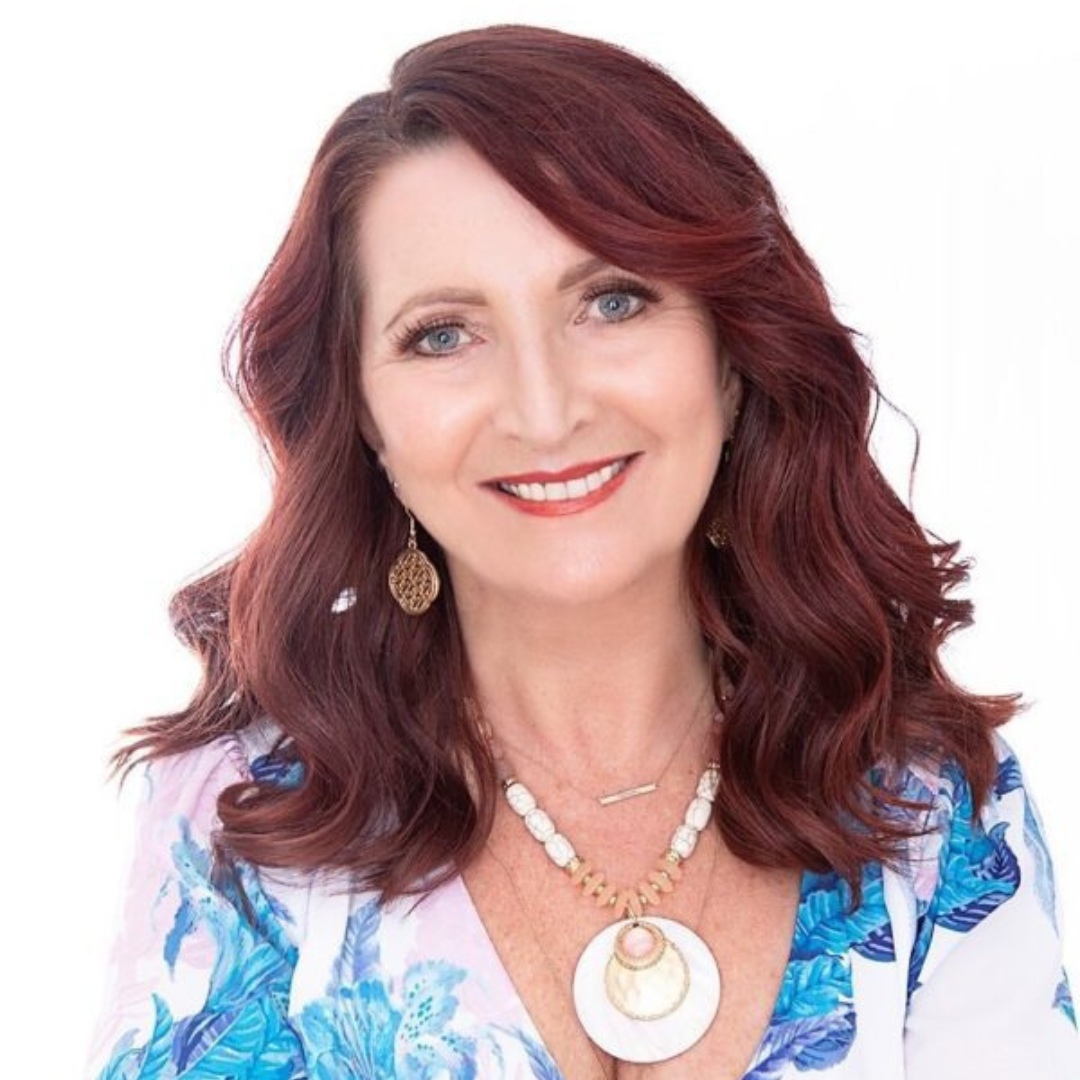
[00:00:00] Speaker A: Welcome to another episode of Vicarious insights. Learn with me, the podcast where we delve into the diverse world of disability services, bringing you insights from professionals, parents and individuals with lived experiences. I'm Jace, your host, and today we have a very special guest joining us. Today we have the pleasure of speaking with Jodie from growing daily disability services. Growing daily is a professional disability support company based on the Gold coast. Specialising in everyday activities and in home support, they focus on a smaller selection of services to ensure a consistently high standard of care for their participants and their families. Growing daily's mission is to identify and seize opportunities for personal growth every day through individual goals, lifestyle choice and control. Their values of connecting, belonging, exploring, learning and celebrating achievements are reflected in everything they do with a dedicated and professional team, growing daily ensures that each participant receives personalised and compassionate support. Jodie, the driving force behind growing daily, brings a wealth of experience impression to the disability support sector and we're excited to hear more about her journey, the services they offer and the impact they've made on the lives of their participants. Jodie, welcome.
[00:01:06] Speaker B: Thank you. I'm excited to be here. Excited and nervous. It's my first ever podcast. Let's do this.
[00:01:12] Speaker A: That's all right, that's right. Hey, almost everybody's first ever podcast, so that's fine. You're with your peers. Yeah, straight into the guts of it. What inspired you to start growing daily disability services?
[00:01:26] Speaker B: Well, growing daily, like a lot of businesses, came out of COVID I think Covid was a bit of a wake up call for many of us that we're going through our day to day life and doing what we sort of did, nine to five, whatever. I actually happened to have one of my children at the same time, so I was off on maternity leave, putting a time to go through the experience of COVID be home, witness that lifestyle change for my family. Just so happened that my sister in law was working in the disability sector at that stage and she called me up and she said, would you like to have a job for a couple of days a week? And I thought to myself, oh, I'm not sure if I'm really ready for this, but you know what? I'll give it a go. Jumped straight in. I was taken on board in a local support service a couple days a week. I loved it. I knew I was where I needed to be pretty much straight away. A bit of a backstory is that probably ten or so years prior, I actually went in as a nanny to a family who, at the time, when I took on board, the children, we didn't know that they had special needs, but there was three out of four kids who had special needs. And the family, as time grew on, it was more apparent, I suppose, that they were on the spectrum. So we went through that. So I had quite a bit of experience and years prior as well. When I came into this role, throughout the COVID period, it was just like, I just sunk back in. Like I just knew that I needed to be there, that it was something that I really enjoyed doing. It wasn't a push to go to work, it wasn't a hassle, you know, of all those normal kind of feelings that I was getting. Well, I say normal, but you know what I mean, those feelings I was getting in a nine to five in an office, it just felt so natural to be in that role. I went on, I did that role and I thought to myself, you know what? I can actually make a really much more wider impact than just coming to the same participant every, every day. I really think I can do this. So I started to have a bit of a look around at how it all works, the mechanics of the business itself. And I just one day thought, you know what? I'm doing it. So I reached out to, like, a consulting company, basically, who helped get everything in order. I worked on that for probably a year and a half before I even took participants on the business itself was set up, policies, procedures, you name it, everything. Before I even saw my first participant. To me, it was really important about making sure I got things right before I jumped in. There's probably a bit more info in there than what the question was, but that's kind of the backstory of growing daily. And for me, it's that importance of having that wider impact on people. The way I kind of see it and the way growing daily is built. Someone said to me, so along the lines of, like, you know, you're going to be successful in business or doing what you do if your business is an extension of who you are. Growing daily is me, essentially. Like, in a funny way, it's what's important to me. My values, what I've seen that I think people need. It's where it's come from. It's come from inside me, in my heart and in my mind.
[00:04:09] Speaker A: I'm similar there. I don't have kids. So I look at my business as my child. I'm raising it up. I want to make it strong, I want to make it healthy, I want to make it ethical, wants to make a difference. All the things that you want to inspire, and I guess what a parent was. Want to inspire a child. That's what I want my business to be like. I want to grow it up to be a good person, to be a good business. Then don't worry about the long answers. I want the long answers like those.
[00:04:37] Speaker B: I was like, I'm going off track. But, yeah, it's like a bit of a picture, right? You gotta know all the elements, the thought process and all that sort of stuff. So that's how it was born. Effectively, if we think about it as a child.
[00:04:49] Speaker A: That's a lovely story, too. Seeing the planning that went into yours, that's slightly different to mine. The planning behind the personal training, the disability side of it just sort of happened and drawed me in and I adapted over time and moved into it. Can you share a bit about your journey and how your business has evolved?
[00:05:04] Speaker B: I think when something is new, you have an idea of what you think it's going to be. I didn't really have, I suppose, a niche market, an idea that I thought was something specific. There wasn't specific group of people that I was wanting to help. I just thought, I'm caring, I can go in anyone who needs me, it'll be fine. I dabbled in having younger people, children and teenagers. And to be honest, even though I'm a mum and all those sorts of things, I just found that that wasn't quite where I was sort of heading and sitting. At the moment, we don't support any children, and that's okay. We're heading more towards the adult group of people. So that's the first sort of thing that I realized, like, oh, you know, that was different to what I thought. I think it's sort of like a natural progression. I think as you go on, it's all about a feeling as well, right? Like, you need to want to be doing the job that you're doing. If something doesn't fit right with you, then you just need to move that on. What I've found is a lot of participants, I don't know how or why that have come to us, are from a more low socioeconomic area. They struggle with lack of support in terms of families. A lot of them are struggling financially. A lot of them are on, you know, pensions and things like that. Society, I think, doesn't necessarily give some of these people a second look. Not all of them. And like I said, I think it's really important to say here that the experiences that I'm going to talk about today are specific to my own journey and growing daily's own journey. But we really enjoy the amount of kickback. I suppose we get emotionally and all that sort of stuff from helping people that really need extra help, like more in depth things. Like everyone comes to NDis with NDis goals. I think the way the business has evolved over time is you come along as a provider, you think, I'm a lovely person who really wants to make a change and help people in the world. Then you go and you meet people, and then the more you get to know them, the more you understand their individual struggles outside of their disabilities.
I think that our team really takes that perspective of it's not just we're going to help to meet those NDA's goals, we're going to help to just improve their life more holistically. The evolution of growing daily, essentially, has been that we come in, we meet a person, we understand more about them, get to know them more, and then if we identify issues outside of all the fallout issues from their disability, then we help with that too.
[00:07:34] Speaker A: Their disability is there, they're living with that, they're working with that because of their disability. They may not have access to gainful employment, or they may not have access to good steady stream of income, or they might not know how to ask or where to go to ask for different things that are available to them. Is that where we're.
[00:07:54] Speaker B: Yeah, that's right. It's important to note this is not everyone, but it is a lot of people that we look after have those positions. I think people just don't realize that until you go and get in. Because I was that way myself. We all know the discussion that's out there. People who say, you know, I'm paying to tax money for NDIs and people going on holidays and they're having a great old time. Maybe some, yes. I don't know that it's not happening around here because the people that we are supporting are needing our assistance to go to department of housing or go and collect free food parcels, or contact local family support agencies who can help with their rent arrears, those types of things.
[00:08:33] Speaker A: Yeah, okay.
I grew up around a bit of that sort of stuff and in my youth, navigating those things as. Look, I'm going to loosely say neurotypical. I don't know. I'm a weirdo, so I might not be.
But with those things, without having a disability, physical or intellectual, that would be even tougher. Getting to the places, understanding where they are, knowing who to contact, what to do if there is a like, oh, we can't help you, like those sorts of things. Yeah, sorry, you're the third last person in the line. You've run out. There's no more blankets today.
[00:09:09] Speaker B: Yeah, that's right. Yeah.
[00:09:10] Speaker A: Before we started recording, you were mentioning that you deal with a bit of homelessness and things like that as well.
[00:09:16] Speaker B: Yeah. Look, I would like to say I have a magic answer for homelessness. We all know it's undeniable that not just disability specific for everyone, homelessness housing is just terrible at the moment. Driving the other day, seeing people in their tents and cars and stuff like that under a bridge, a group of ten of them, it's affecting everyone, unfortunately. Unfortunately, people with disability obviously are even more vulnerable than everybody else. We know the importance and the urgency about keeping a roof over someone's head, because if I can't bring myself to go and live in a tent under a bridge, I don't know how I can expect someone who's already dealing with a more difficult lifestyle than mine, who may not be able to stand up off the ground on their own, whose anxiety might be through the roof already and day to day in the house, let alone in the tent under a bridge, you know, and then having the ability to claw themselves out of that situation as well is just, you know, without support. It's just unimaginable.
[00:10:12] Speaker A: Yeah.
[00:10:12] Speaker B: So our team really focus on trying to keep that roof over their head, and that can be through various things, through speaking with Department of Housing. I mean, we all know that they're not the answer to anything at the moment. Some people are having luck with them and other people are not. And I think majority are not. As far as I've been told, the waitlist out there is something like one and a half to two years for even emergency housing at the moment, we have people who are in that position. It's very real. We have spent the last few months taking at least one of our participants to housing almost on a daily basis. I have rung around multiple campsites and everything that you can think, homeless lines, you name it. Every resource I can think of, we have done, and that's outside of our paid time. For us, it's a more. It's a personal thing instead of a work thing, you know, like, how can I go to bed? Yeah, how can I go to bed at night with a roof over my head? I'm in a bed, and I know that specific person doesn't have that. How can you sleep when you know a participant that you have a really good relationship with is on the street or under a bridge or in a tent. It just can't be done. So it's a real personal, like a push aura, you know what I mean?
[00:11:20] Speaker A: With finding him a house, a place to live, sort of shelter, maybe Sarah down the road has. Has a garage that she can rent out. Like, what. What sort of criteria could help someone in this situation?
[00:11:34] Speaker B: It's a really difficult one because, like, I bear in mind the NDIS code of conduct. For example, there is that line that we need to be careful that we don't cross. Of course it's crossed my mind. Look, I've got a backyard, you know, so and so can come put up a tent. At least I know they're safe off the road, but I can't do that.
[00:11:50] Speaker A: Yeah.
[00:11:51] Speaker B: And that is difficult because, like I said, we see each other as people, you know, not as a number and not as a participant of a business. It's like that person tonight may or may not be on the street, and here I am going to sleep in my nice, warm bed with a heater on. And it shouldn't be that way, but it's reality, unfortunately. Just to kind of backtrack a little bit, I think, like what you said, the cry there's. There's not really criteria, I think, is just keeping those professional boundaries is really what we need to do, because otherwise we could all have a backyard full of people in tents who need it, even as a temporary thing. I'm sure many of us would do it if we could. For me, it's really about keeping those professional boundaries and using resources that are out in the community as much as possible. I can't solve homelessness for someone, and I don't claim to say that I can do that. I'm purely, like, an advocate or a driving force for them to use as many community tools that are out there to avoid that or make the best of their situation.
[00:12:48] Speaker A: I'm just thinking I met somebody at a little networking event the other day. I'm actually yet to track him down. I didn't meet him directly, but he was the orange van or orange something. Have you heard of him?
[00:12:59] Speaker B: No, I don't think so.
[00:13:00] Speaker A: That was pretty cryptic. The orange something and out. And I'd like to talk to him. I'd really like to talk to him. From my understanding, from somebody else. He's got a van, and they have washing machines and dryers.
[00:13:13] Speaker B: Oh, cool.
[00:13:14] Speaker A: Yeah, they go around and I think they sort of tie in with rosies and stuff like that.
[00:13:18] Speaker B: Do they?
Well, we spend a lot of time in Logan, so a lot of those services are on the road, you know, out there a couple of times a week or that type of thing up near, I can't think of what the road is called. West centre, Lincoln housing and all that sort of stuff are by the Woodridge train station. There's a lot of that stuff going on there.
[00:13:38] Speaker A: Okay.
[00:13:38] Speaker B: Also, I think at the Ben Lee train station, there's a few things going there where they kind of go around and stop at various places. Definitely needed in the community. Absolutely.
[00:13:49] Speaker A: What you're saying, there's things you don't think of. It's like these guys are sleeping on the street. While that is clearly horrible, there is the trickle down stuff. Like, when's the last time they wore clean socks, clean jocks, clean pants? When's the last time they did that? And when they work, they dryden. He was telling me this. I'm like, you know what? I hadn't thought of that it's. And someone's out there that trying to make a little bit better. It's like, can you change homelessness as one person or as ten people or as 50 people? But can you make a difference, is the thing.
[00:14:17] Speaker B: And I think it's really important, too, what you just said. Like how you just said, I hadn't thought of that. And that's what I was trying to say at the start. Like, you go in to meet someone and you don't. Like I said also, too, society doesn't give some of these people a second look. They walk past you in the street. You don't stop to think as they wash their clothes, do they have a washing machine? Even if they have a house, do they know how to do the washing? Can they hang it on the line? You don't ever stop to think that that's where our team comes in, because people just assume that people are okay, and a lot of people aren't okay.
[00:14:47] Speaker A: Yeah.
[00:14:47] Speaker B: It's the small things. And what our business does is we say we specialize in day to day living. So if anything that you and I would do in our own home every day is what our team helps our participants do. It's really, really basic stuff. The actual physical things that we do, cooking, cleaning, tidying, washing, driving to appointments, all those things for our participants aren't possible without us. So as simple as having a van go around with a washing machine, we could have a participant who's in a position that needs to use that even though they have a home. The world is mind blowing. Once you jump in, what you just don't understand and don't see and what people need, it's very small things. Quite often, I don't want to say the skills, but you know what I mean. They just don't have the capability to do those things sometimes without having support workers there for them. These are the most basic needs of life. Shelter, cleanliness, hygiene, food, cooking, transport to a doctor's appointment, get out in the community because they can't walk or they can't bring themselves to leave their home on their own.
[00:15:53] Speaker A: Yeah.
[00:15:53] Speaker B: You just don't realize how far it breaks down until you're in that position because you just walk past them on the street.
[00:16:01] Speaker A: So taking your business and what you do out of the equation and leaving these guys to their own ways and means, then that could also end up in homelessness. If they don't clean, if they don't tidy, if they don't do those simple things in their house, and then real estate comes in, they're like, you can't live here.
[00:16:18] Speaker B: Absolutely 100%.
[00:16:20] Speaker A: You look at that as a few steps prior, you're nipping it in the bud and, and you were speaking before about, you know, that, oh, there's a big amount of money that goes into this industry.
It's what people don't see. It's, it's okay. So people are getting paid to come in and do someone's cleaning firm and, wow, that sounds like serious, doesn't it? But for somebody that can't do it, if they don't do it, then that's going to have potentially a bigger cost down the line. What happens? Do they end up on the street? Do they end up in jail? Do they end up in a hospital? Do they end up with some other sort of, you know, twenty four, seven hour care that has another financial burden?
[00:16:55] Speaker B: There's so many layers to it. Even the basics of an example of having a clean home, if it's left, you risk things like pests, infestations, illness, because you could pick up diseases and things like that from using dirty dishes or an old tissue over there, or. We all know the consequences of living in an unclean environment. There's the medical side of things. I suppose then, like you said, if you're not maintaining the home and you're renting and you come and have an inspection, they're not going to be happy. You know, that may lead to them moved on by their real estate. It's just like a water fall impact. I mean, and then you've got the next part of it, which is if they're struggling to keep up on their rent. We faced that. We have a lady that we saved from being evicted six times because she was making decisions with her budget that wasn't prioritizing her rent, I suppose you'd say six times we went through the process, and I tell you, it is very stressful for us as her supports because we don't want to see her on the street. The amount of hours of phone calls and meetings and all sorts of stuff we put in to avoid that happening. And it's really, I don't want to say defeating. It's disappointing that we were continuously back in that spot because we think every time we've done, you know, we've engaged this service to help you and, you know, we've worked alongside you with budgeting and all those sorts of things. And at the end of the day, their decisions to make, that's their money.
[00:18:17] Speaker A: That's the choice and control. That's something before getting into this industry. And there's a lot of things that. That's why I'm doing this is there's, like, choice and control. But why? But why, like, okay, they're doing that wrong. Somebody should tell them. Somebody should make them do that. Right? Yeah, but that's what it comes down to, the rights. And this is probably more for people. You're like, jay, so. No, I'm like, yeah, no, no. So this may be out there that don't quite understand that the choice in control, that's being human. We need to be able to make our own mistakes. We need to have those mistakes so that we can evolve as our own individual. In our last podcast, a little bit about restrictive practice. You can't go, I'm taking your money and I'm going to pay your bills for you because that makes sure everything is done. And then you get all. And it makes sense. Yeah, that makes sense. But as a human, they have those rights. So you've got to come up against that, knowing, like, how much easier it would be just to do that.
[00:19:15] Speaker B: But then you just pay the rent, you know, like. But there was the choices that weren't made, unfortunately. And I think it's really important to note back onto, like, what I'm trying to explain about how we operate is that budgeting and avoiding homelessness and ringing around and trying to, you know, engaging all these things to help, like, support this participant to make sure they don't become homeless are not part of that person's NDIS goals that their NDIS goal was not to not be homeless. You know what I mean? Like, it's just another part to that whole. If we weren't there to engage those other community services or talk them through it or do all those sorts of things, what position would that person be in? Without our team there to do that? They'll be on the street.
[00:19:58] Speaker A: Wow.
[00:19:59] Speaker B: You know, and so that's what I'm trying to say is, like, that's where I think our point of difference is that we come in, we acknowledge their goals, work on all those sorts of things, but there are so many things that happen around the disability and their NDIS goals that we take action on. At the end of the day, our participants are people. We think about them when we lie down at night. You know, do they have a safe home? You know, what have they had for dinner? We haven't been there. Have they had food in their fridge? That's not their NDIS goal. Their NDIS goal was not to have food in their fridge and have a home. It's something completely different to that. That's what support work, to me is about. You're supporting that person as much as possible. Not just. I'm just here for your goal. So I'll just pick you up and take you to the shops and drop you back off, you know, it's like, do you have that? Do you need help with that? If there's a tissue on the floor, for example, or the bin is overflowing, you know, that person's going to struggle to pick up that tissue off the ground or to empty the bin and take it out to the wheelie bin. We just do that because if we don't do it, then who else is going to do it? That's what support work is for. Small things like that. Knowing that the rubbish bin is overflowing or you haven't done your washing in two weeks, we'll do a few loads and hang them out. That's a huge weight off a lot.
[00:21:12] Speaker A: Of people's shoulders, and that's clean clothes.
[00:21:15] Speaker B: Yeah.
[00:21:15] Speaker A: It's funny, the things that we're used to, the things that we adapt to in our own lives, the things that we take for granted. It. This is just given. This is what happens on Tuesday morning. I do the washing, she's there, and I'm bringing in, like, those that you just do, conceiving that somebody else can't do it. People. What do you mean? You don't wash your dishes. It's easy. But you add in an intellectual or a physical disability, something that's stopping them from doing it. People that don't have access to half of their storage space in their kitchen because they're on a wheelchair, because they can't stuff up the top the things that don't think of until somebody points it out. And you're like, oh, yeah, you can't use that now.
[00:21:53] Speaker B: Yeah, it's really, really like, as I said, it's basic and simple things, but people out there are struggling with doing those. You and I can, we're lucky we can just go out and do that, reach for that thing from the cupboard or do our washing or chuck a load in or whatever it is, but a lot of people can't.
[00:22:10] Speaker A: Right. So we've had a bit of a look at the overview of your service. Was there any other services that you offer growing daily that we may not have spoken about yet?
[00:22:19] Speaker B: It's a smaller span of services. And really the way to bring it down, as like we said earlier, is we specialize in day to day. Anything that you and I would do in our home. Day to day. We come in, we help our participants with doing that, whether it's in and around the home or out in the community, appointments and social events, or even just a wander down the beach or walk around the shops or something like that, just to get out. That's pretty much where we focus. I think that the importance of what we do is having such an impact on the people that we support that there isn't really a need to go outside of that because we're so focused on making sure that what we do is making that difference. That's where I foresee it heading in the future with what you do, would.
[00:22:59] Speaker A: You put that down to just location? Or would you think if you were to go into the other suburbs and other areas? So I don't know if we mentioned before, I know anybody on the Gold coast probably knows Woodridge is one of the areas. There's going to be some interesting things going on. There's going to be the socio economic impact for everyone there, especially for people with disabilities. Would you see behind the scenes there might be a lot more of that actually going on in the other suburbs, just slip through the cracks?
[00:23:24] Speaker B: Oh, 100%. You know, that we're all aware of certain suburbs and areas and things like that where people are struggling, probably more so than others. A lot of our customer base is in the Logan area, so that kind of covers those kind of suburbs. And that's why I think I'm seeing a lot of the same themes happening in different homes, keeping the activities that we do. Sort of niched, I suppose you'd say. The outcomes of our work that we're seeing is so important that I think that we just continue to do that. Because even though on paper, it's like cleaning up or helping someone have a shower or, you know, helping them cook their dinner or whatever, the importance of that to someone is so much more than we would realize in the day to day. Walking past them in the street, I met a lady who, when I first met her, hadn't had a shower in six weeks because she didn't have supports. At that time, because she didn't have support. She just could not bring herself to do that for multiple reasons. You and I would never think of ever experiencing that. But people are experiencing that because they don't have support. The impact that I have is on maybe a smaller amount of people. But can you imagine the impact for that lady?
[00:24:36] Speaker A: You know what? That's. That's something that I think about. Here's. Here's the why I'm a weirdo bit my brain. Like, I look at the. When we're on our death board and we're looking back at our lives, like they say, you know, that your life flashes behind your eyes or whatever. What if we get to see a video of the impact that we have on everybody? Like, that little, like they've met Jodie, and because they got involved with growing daily, instead of going off in that direction, they've gone off in that direction. And 20 years later, they're over here because of that. Rather than if they hadn't have met with you and they hadn't have been impacted by your business and helping with those little things, getting them in the shower, cleaning up, that stopped them from going off on tangent, that might have stopped here because they got sick, because they got a disease, because they got bitten by rats, those little things. Sorry.
This is why I started with. But I think of that, like, those. Those are the differences. The differences that we might not directly see, but the little differences that can make a change. Doing that little part, which is a big part, but doing it well, the potential, the repercussions of that could potentially be enormous.
[00:25:38] Speaker B: Well, two, and this might be a bit of shock factor to you, but I have had people say to me, jodi, I've met you. I've never thought anyone was like that out in the world. You know, I thought that the world was negative place. Everyone was out to get me. What was I doing here? And I've had people who have directly said to me. If you weren't here, I wouldn't be either. So I know for a fact the impact of what I am doing has on people. There are people who have said that directly to my face. If you weren't here, I would have ended my life.
[00:26:09] Speaker A: Yeah.
[00:26:10] Speaker B: And that is, it gives me, like, a full on physical response. Like, now I've got goosebumps all over my body.
[00:26:17] Speaker A: I've got the chills done. I'm back. Thanks. Thanks.
[00:26:18] Speaker B: Yeah, it's. Yeah, it's. That's how impactful things are. I'm not out here to say I'm saving people's lives and I'm doing this and doing that because I don't go out there and say, say all these things because they are such personal things.
[00:26:31] Speaker A: Yeah.
[00:26:32] Speaker B: I've never shared that before.
[00:26:33] Speaker A: I will be sharing that bit.
[00:26:36] Speaker B: That's the thing, though. I don't do my job for people to go like, oh, wow, that's so fantastic. I do my job because that's kept that person alive. And that is the reality of what we're doing and what we're facing. There's people, like I said, they don't have informal supports at all. You know, they may have no contact with their family whatsoever. Their families might be in similar situations where they can't support themselves, let alone support the participants that we have. This is reality of what's happening. I don't need to expand what I do because what I do changes life so much on its own.
[00:27:07] Speaker A: Yeah.
[00:27:07] Speaker B: And that's why I do what I do. I love this. I know the impact that I'm having. The people that we support know the impact that we're having. I think from their perspective, they probably don't want me to go out and do all that sort of stuff because of, you know, I wouldn't want to jeopardize the impact that we're having on their lives.
[00:27:24] Speaker A: If you expand and you do these other things, will you still be as caring and focused on those literal things?
[00:27:29] Speaker B: Yeah. Yeah. I mean, yes, I would. Or I'd like to think, but I'm not willing to take that risk.
[00:27:35] Speaker A: Yeah.
[00:27:36] Speaker B: Because of how the connections that we have with our participants and the importance of us being there for them. I'm not willing to take a chance on that. There's a lot of providers out there that are out there for money purposes.
[00:27:48] Speaker A: Yeah.
[00:27:48] Speaker B: And the way I look at it is, for me, like I said earlier, growing daily is an extension of who I am. I enjoy doing what I do because of the impact it makes I see that on people when they say that to me. And money will come.
[00:28:01] Speaker A: Yeah.
[00:28:02] Speaker B: You know, because at the end of the day, I am running a business. It can't be the driving force.
[00:28:06] Speaker A: Yeah. I read a book early when I started business, and it was called help first. And that's the point. Do the good stuff first. That's what matters. And if you are doing good things and you're helping people, then the other stuff, that's by product. You're doing that, especially in this industry. Like, if you got in here and your sole motivation is for the money, you might not be coming from the right place. Business is business. We go to work for a reason. Otherwise everybody would be sitting on the beach drinking my toilet. I don't know.
[00:28:36] Speaker B: We all need to live. And, you know, people. Some people choose to be an employee, and some people choose to run their own business, and that's completely fine. Like, I would never sit here and say that. And I hope no one takes this out of context. I don't want to say I don't want to make any money from my business because I have a family and I have to keep a roof over my own head. But I think in exchange for what I put in to be paid as a fair exchange, there's plenty that I do that is off the clock. And then there's also another side to me is that I do a lot of charity donations and things like that. I'm very generous to my staff, make sure they are always looked after, and that if we have a staff meeting, I take them out for a breakfast. You know, we have staff celebrations for things.
[00:29:15] Speaker A: Get on Jodie's staff. I like breakfast. Noted.
[00:29:19] Speaker B: But you know what I mean? Like, I mean, and that's a whole nother kettle of fish is staff engagement and things like that. Like, at the end of the day, it is a business, but for me, the driving force is the impact that I make for people and the rest of it's kind of like a domino effect behind.
[00:29:34] Speaker A: You might want to listen. I had a podcast with James the other day. His stuff was a lot about staff engagement and the benefits of that and giving them those opportunities and rise and feeling good and what that's going to do not only for your business, but more importantly for your clientele, for your participants, 100%. You know, if you've got happy staff, they're probably going to share good energy. So you've come out good intent. Be happy to be at work, be happy to be picking up that tissue and emptying that trash and doing those things and feeling good about themselves because of it, which is going to directly affect and impact the person that they're looking after. It had to have somebody into my house doing these things for me and kicking things around and being grumpy and unhappy. You'd be like, oh, this is horrible. Like, thank you for doing that, but, jeez, I found.
[00:30:24] Speaker B: Yeah, exactly. And that's, like, something that I. The attitude that I've had towards it since I started growing daily is it's a very simple structure. Happy staff, happy participant and happy me. Yeah, I like it. Yeah. And another part to it, too, is when I bring my staff on, I hire them. A lot of it, for me is, what are their values and their perspectives on things? Do they share that with me?
I can't share my values and things like that with my participants if my staff don't. It's got to flow throughout the whole business. They work bloody hard. They do. They're in environments that a lot of people don't want to be in. You know, I've had people come along and go and do shifts and say to me, I can't go back. It's not for everyone what we do. And I understand that. That's okay for me, it's more of a communication thing. Please just let me know. Because like you said, I don't want a staff member to be in a position they are uncomfortable in, and I don't want a participant with a staff member who doesn't want to be there.
[00:31:19] Speaker A: Unintentional energy that gets shared. That bad mood that's underneath still shares something. If you've been some people, that might be all they can get. They might not understand everything, but they can understand how they feel.
[00:31:30] Speaker B: Yeah.
[00:31:31] Speaker A: Somebody's coming in and they're giving them those feels. Maybe they can't understand why, but they're like, I feel uncomfortable with this person. It's because they're grumpy or unhappy or they don't like doing it.
[00:31:40] Speaker B: Exactly. And I think it's really important, like I said, to share that same values and same push to get the job done. Right. Like, if you've got people who don't share the same values as you, then it's not the right fit for your business. And it's okay. It's fine for me. It's not about growing so quickly, growing so quickly and just throwing everyone and anyone in. It's got to be the right fit for me. So I'd rather make sure everything fits, take things slowly and get things right. Then not be having the impact that we would like to have.
[00:32:10] Speaker A: The impact, the motivator making the difference.
[00:32:13] Speaker B: We're changing lives. We really are. I'm throwing humbleness out the window, right? We are changing lives. Like I said to you earlier, some people will not even be here if we weren't there for them.
[00:32:27] Speaker A: Yeah.
[00:32:28] Speaker B: So what can you do?
[00:32:29] Speaker A: That's got to be a good feeling to know that you've helped somebody to carry on because you never know what happens tomorrow, what happens ten days down. Like those people that do choose the route of ending what was going to happen in a week or in a month or in twelve months. What if that most amazing things like that meme that you see where the guy's digging and through the dirt and the guy above him finds a diamond. So he goes, he gives up and walks away. But there's a giant diamond right there.
[00:32:55] Speaker B: Okay. Yeah, yeah.
[00:32:57] Speaker A: The picture in my head, but. Sorry, I'll show you.
[00:33:00] Speaker B: It makes sense.
[00:33:02] Speaker A: Can you share any other success stories that highlights the impact of your services?
[00:33:06] Speaker B: Probably should have studied for this question.
Those types of stories happen on a very regular basis. It's not even just one person who has said, I'm here because you are. It's multiple. It expands even further to us dealing with, you know, the likes of child safety and keeping families together. And I don't know, it's really hard to pick something without also to going through too much detail. You know what I mean?
[00:33:32] Speaker A: We don't want to be sharing anything that's private. So that's.
[00:33:36] Speaker B: Yeah, yeah, it's a little bit because of the themes that we deal with. It's quite.
[00:33:41] Speaker A: Yeah, okay.
[00:33:42] Speaker B: This is why I don't share a lot, because I don't want to be out there saying, you know, so and so did this and so and so did that. I just feel like some of those things you shouldn't really share and that's.
[00:33:51] Speaker A: That's a win. That's a good thing. That's a good thing. How do you stay innovative and adapt to the changing needs of your client?
[00:33:56] Speaker B: I think connection with community services and things like that, top of what is needed, I think it's a situation of you don't know what you don't know, so you don't know who's out there. If you don't go out there and try and find who is there, if that makes sense.
[00:34:10] Speaker A: Yeah.
[00:34:11] Speaker B: We've got quite the library now of community services that can help with various things. Like we met a couple of participants a few weeks ago and they mentioned something along the lines of food, and we said, oh, if you need help with food, like, we can help you. You know, we've got this list of places we can go. We can take you there next week if that's what you want, or even now, whatever. It comes back to being something so simple. But if they didn't know that was out there, then they may have been struggling to, you know, put food on their plate for their family for that week or whatever. The benefit of us keeping up to date with who's around and what's out there is just such a handy toolkit to have, basically, because almost all of our participants use at least some kind of community service in that way to enhance their lives.
[00:34:52] Speaker A: I'm guessing there'll be a mix as a volunteer services. Government.
[00:34:55] Speaker B: Yeah, yeah. Not for profits and charities and churches and, you know, all sorts of places like that. And like you said, I didn't know about the orange thing, but you did the washing machines and stuff like that. You know, if you have a participant whose washing machine is broken, they can't. Maybe they can't afford the five or $10 to go to a laundromat.
[00:35:12] Speaker A: It's more. I went to the thing the other day and it was like $90 for a wash. And, yeah, I come out, I'm like, that cost me like $60 to wash me clothes.
[00:35:22] Speaker B: Oh, there you go.
So, for example, now we know about the orange place. If someone's washing machine break, you wouldn't do it.
[00:35:28] Speaker A: You're on a pension. You know, your income is very low. You go into one of those places. I mean, it was a nice laundromat. They're not going to be able to afford that. That's. That's food for the week.
[00:35:38] Speaker B: Yeah.
[00:35:38] Speaker A: What are you going to give up? You're going to give up your food or you're going to give up your clean clothes? I like food.
[00:35:46] Speaker B: You won't be able to wear your clothes if you don't have food.
[00:35:49] Speaker A: Yeah, exactly. Exactly. I will track that guy down. I'll, um, I'll put a link to the bottom as well for anybody that's interested.
[00:35:57] Speaker B: If you do know places like that, then please tell us the amount of people that need services. Or it could be random things, you know, it's always good to know. Just kind of slotted away, because then if someone says, I need this, we go, oh, that's what those services are designed for. They want people to use them. That's what they're for.
[00:36:15] Speaker A: For our comment section or anybody that's listening. Is there anyone that you need more of or you're maybe struggling to connect with? It's like you need. I know of Rosie's. They have foods and soups and discounts and stuff like that. Is there anyone else like that that you're like, oh, we need. We need some more of these, or we need some of these in these areas?
[00:36:35] Speaker B: I know there's a lot of food places out there, which is fantastic. And a lot of them have popped up probably in the last couple of years. I think that there's a real struggle when it comes to financial side of things as well, in terms of needing a top up, you know, some rent assistance or some of our participants have families and they are needing to send their children on school camp or they need new school shoes for their kids. It gets wider and wider and wider and wider. So there may be some family services out there that can assist with those types of things. I think that's more. So we would be looking now maybe not so much at the food side because there is lots, wouldn't say in abundance, but there's quite a few solid ones out there that we know of now more. So probably the struggle with day to day expenses or. Yeah, that type of thing, paying bills and France and like, you put up that really cool post the other day about. What was it, that post that you put up that I shared.
[00:37:30] Speaker A: I took a few of the guys out and one of them had an access card because swiping on and off of the trains wasn't something that he was going to do. Somebody told me they pay for it and some will be. Yeah, they told me that it's not for. And I'm like, there's a few different ideas coming through. So I went, all right, well, I will. What else is available out there? And what else is available out there that these guys don't know about? So I sort of had a bit of a look and I went. I went down a rabbit hole and had a look at what different things. And I will add to it if anybody jump on my website, slimgem.com dot au, jump onto the website and have a look on there. They sent in the blog posts, but it's just about free. Well, free stuff. It's about these different grants or access passes, things like that that are available for people. There's a lot of stuff that's out there, not just the government. There's stuff that's done by community service, places by church, things like that, for the people that are in need it makes sense. You're on a pension.
[00:38:23] Speaker B: One thing that actually just came to mind more specifically, too, is assistive technology, like equipment, mobility equipment, that type of stuff. The amount of people that are out there, they use things and they don't anymore, and they think, where can I give this? What can I do with this? Or you have someone who says, I really need a walker, for example, but I don't have the money to pay for it. I know we've got some things in place, like mass, the medical assistant scheme, something along those lines where people can use that funding, like through a doctor and things like that, to get those equipment if you don't qualify for that, or you don't have money to pay for a high ridge fee, or you don't have money to purchase it, but you need it. Like, if anyone knows of places like that, that lend or give or anything like that, that would be quite an important one as well.
[00:39:10] Speaker A: So that would be even things like somebody breaks their ankle and they get one of those little wheelie neat. I don't know, things that might be something that can help someone.
[00:39:20] Speaker B: Yeah. It might be temporary.
[00:39:22] Speaker A: Yeah.
[00:39:22] Speaker B: Or another big passion point of mine, that people who apply and are accepted onto the NDIs have comorbidities. So, you know, the fact that NDIS acknowledges their certain disabilities, but they might have a lot of other medical things going on or disabilities that, that they have, that they haven't been able to get onto their plans yet and things like that. So they're really struggling with dealing with that as well as the disability that NDIS acknowledges.
[00:39:50] Speaker A: Okay, so, yeah, there's more than one slice to the pie, isn't it?
[00:39:54] Speaker B: Oh, there is a million slices to this pie.
If anyone knows of anything that they think might be able to help in any way, shape or form, please let us know in the comments below. Like Jay said, because you just don't know whether we know about it or not, but it might be of use to someone.
[00:40:11] Speaker A: Yeah. Going back a bit, work with a few young fellas, not affording the school camp, not being able to go on the school camp, the old shoes, like the impact of that, remembering back to what it was like when we were in school, the kids that, oh, you can't afford Eddie Murphy, you know, you ain't got no ice cream. They potentially have more reason for somebody to bully them or be mean to them or ostracize them and not being able to go to that school camp, which can open them up to different interpersonal relationships and friendships and growth. If there is anyone that knows of somewhere that can help with those things or that wants to make themselves feel good and help with those things, then reaching out and letting anyone, you know, yeah, that would definitely be helpful. It's a trickle down effect. It's the things that we don't know how they affect. It's like, oh, if kid doesn't have some shoes, oh, but they've got. They've got that. But that can affect.
[00:41:01] Speaker B: Isn't it funny how a child of someone on NDIS, there's that ripple effect? Right.
[00:41:06] Speaker A: Yeah.
[00:41:06] Speaker B: So that's why I'm trying to say that is my message, essentially, yes, someone may be on NDIS, but it's really, really important. You know, my driving force is to look at that situation as a whole. What is the ripple effect? Not just they're on NDIS, they can have support for day to day things or go on a holiday. I think it's really important to kind of go back to NDIS. The idea of it is fantastic.
[00:41:30] Speaker A: Yep.
[00:41:31] Speaker B: I have no doubt that NDIs has changed the lives of many, many people. A downfall of it is they acknowledge a certain part of a person, their disability. They don't deal with any of the fallout from that or see anything as a whole. And that's where our team kind of comes in and says, yeah, we're here to help you with these things, but what else is going on? Someone doesn't have to share those things with us. We're not here to come in and force people to speak about the effects that it's having. It's just a natural progression that these comments made or you notice things or. You know what I mean? It's not like we come in like a ball at a gate and say, like, hey, you know, you're on NDIS and you might live in this situation, so we're going to do this for you. It always comes back to the choice and control of the person. I feel like the importance is where we kind of supporting and catching that person on the other effects. Just focusing on the disability itself or just that part of what's identified by NDIS is not enough to really be changing lives and having that impact, you know?
[00:42:34] Speaker A: Yeah.
So are there any new programs or initiatives in the community or with yourselves.
[00:42:41] Speaker B: That you are excited about at this point in time? The focus for me is to get our message out there about what it is that we're doing. If there's anyone else out there that wants to kind of jump on board and help and saying, helping, it's just about sharing knowledge, that's all we really need to make our impact better. All I need need from someone is a suggestion of, you know, like you said, the orange laundry guy. My team and I can make that happen for someone just finding out about more community resources, what I would love to see when it comes to our sort of networking events and things like that, in my mind, I think it would be really awesome to start inviting some of these community services to help share that, you know, hello, we're here. People don't know they're there sometimes. You know what I mean?
[00:43:22] Speaker A: That's actually a really good idea.
[00:43:24] Speaker B: I know.
So, Jace, you and I are going to. If someone holds a networking event, when we invited community services along to, they would show themselves to other providers and things like that, so that they educated them, that they were out in the community, who then can pass on to their participants. It's spreading that wider impact for everyone.
[00:43:45] Speaker A: I was watching a TED talk the other day, and they were talking about they were looking at energy. When a certain frequency finds the other frequency that's the same, they double, I.
[00:43:55] Speaker B: Love all this stuff.
[00:43:56] Speaker A: Or they think, and that's real, that's science. Energy that you're putting out, when you find somebody that's got the same or similar energy, that energy gets stronger. That's why I imagine you get a group of girls get really loud when they're with each other.
Those things. When you're matching that energy, when you're on the same level, when you're on the same frequency as somebody else, when you're coming from the same place, then. Then that's a win. Now, having a conversation, listening to somebody else, you sort of. Your frequencies will start to equalize as well. So somebody that's listening to something like this, it may resonate with them or it may not. If it resonates with them, that's a win one. They might be like, I thought I was the only one. And then they're seeing you and they're like, oh, she thinks like me. And that might make them a little bit stronger, or might give them that little bit nudge to go forth a bit more and help some more people. You never know who's listening. Something that you said might be that pearl of wisdom, which will bring us to the next question. Pearl of wisdom that someone needed to hear from a real person, not just a meme. Memes are important. I like memes. I need memes. Keep sending. We all love memes, but, like, just hearing that someone's like, yeah. Or the way that you've said it. Or the tone in your voice when you've said this sort of thing must just be just that. Their brains, like, I was ready to hear this now. I needed that next question. Do you have any pearls of wisdom, anything that you would through what you've done that you might share with other providers, participants, anybody that's listening, whatever reason?
[00:45:25] Speaker B: I think that there's been many times in my journey where I felt completely isolated and alone. But I don't know if you can relate to that. Jace, as you know, running your own business. From a business perspective, what we're doing in the community and the intention of what we're doing is an incredible thing. That's the driving force behind us all. The more I put myself out there, the less I see people being their natural selves of saying, you know, hey, I really struggled with that. I could really use some help, you know, I feel isolated in this respect. What about you? Do you as well? There's a lot of people that are out there that are very capable and very confident, which is fine because, you know, we all are to a certain degree. But I think that being true to yourself and being a real person shines through if you are. That's what's really important to achieving the purpose that you set out to do. If that makes any sense.
[00:46:19] Speaker A: Yes.
[00:46:20] Speaker B: For me, it's less about trying to be a specific person and do certain things I lack in certain things. Like I said, social media and websites and all that sort of stuff, man, I don't. My job, that's not my job, you know, and that's what I would like a lot more people to say. If I was a social media person and a website builder and all that sort of stuff, then I would be those things as my job. That's sort of area lax because I'm out there doing what I am good at doing. And I think there's a lot of pressure on trying to do it all and be it all and be good at all these things. And it's hard sometimes. So it's not really a girl of wisdom, it's a moment of honesty, I suppose. And I just hope for moving forward that this message we've sort of talked about today, the importance of the impact that we can make on people. The impact's got to be first.
[00:47:09] Speaker A: Yes.
[00:47:09] Speaker B: You know, the purpose has got to be first and then everything else will fall in line. We work with real people with real lives who really need support. That's what we're there for.
[00:47:21] Speaker A: We're actually in a really nice industry for this and I think we forget it. Or I don't know, I think I forget it. We are around other people that do understand a bit more potentially about psychology, a bit more understanding human need. When you're working with meltdowns, high needs, all these sorts of things. If you've got a worker boss or a colleague or someone that's like, hey, having a really tough day, you're probably actually around a good group of people that can understand and empathize on a real level whereas a lot of other industries, they don't deal with those things daily.
[00:47:54] Speaker B: No, that's right.
[00:47:55] Speaker A: They're not aware of them and they're definitely not aware of being able to express them. I was in a situation the other day like I'm having a problem with this. Why? Why can't you understand? I'm telling you I'm having a problem with this. Whereas in this industry I say that and everyone's like, oh yeah, okay, cool. And the problem's gone because they understand that this is what we do, that's what we do, we adapt, we move forward. Other people are like, stop having your problem. It affects me.
Well, we get used to that. So it's funny the things when you take yourself out sitting back and looking at it and I'm like, okay, cool. I've adapted to being surrounded by that. Every parent that I work with, they're doing that daily, they're learning these psychology, they're going to the psychs with the kids, they're getting feedback from the psychs, they're understanding, they're learning, they're growing.
[00:48:44] Speaker B: And one thing that you experience and use with someone, you can use with someone else. When I went into this journey of growing daily to start with, you know, was honky dory in my family life and the, the last sort of twelve months or so we've been experiencing some mental illness with one of my own children. Having learnt from the experience that I have with other participants, I've been able to utilize what I've learned to support my child in their best way possible.
[00:49:10] Speaker A: And that's a big win. And from what I understand that the earlier you can get in with ways to help better, the end result's going.
[00:49:18] Speaker B: To be and knowing to stand up, say the right things and advocate and all that sort of stuff, you know, it has put my child in the best position that they can be in because of what I do. So I think it's really important to be yourself, use what knowledge you have and you gain not just for that one particular person, but as much as you can, because that will breed that ability to have the best quality of life and outcomes, I suppose, and reaching goals and all those sorts of things. Because of all the experiences that we have along the way, you know, an industry level, we need to speak more openly about some of the things that are going on and the way they affect us.
[00:49:55] Speaker A: And yeah, it's only going to allow.
[00:49:58] Speaker B: For more growth, 100%. And it's all, it's all positive. At the end of the day, the more real you can be, the better the outcome for everyone.
[00:50:05] Speaker A: Keeping it that'll bring us to the end of today's episode of vicarious insights. Learn with me I would like to extend a heartfelt thank you to Jodie from growing daily for joining us and sharing a valuable insights and experiences. If you enjoyed today's episode, please be sure to subscribe to a podcast so you never miss an episode. Find us on all the big ones and you'll also be on YouTube or on my website. The links will be available. Don't forget to leave us a rating and a review. For more information about growing daily and the amazing work for you, you can.
[00:50:36] Speaker B: Visit Jodi at www.growingdailyservices.com dot au or also on Facebook. To be honest, just growing daily services or you'll find my contact details on there. Pick up the phone, send a message LinkedIn for anyone who is on that reach out. I'd love to chat. If you have any ideas of what has happened today, or what we've talked about today, then let us know like Jay said in the comments below, or reach out directly and I would love to hear from other people who are, you know, of similar ideas and values. Yeah, thank you so much for that. The opportunity.
[00:51:12] Speaker A: No problem. Thank you for letting me pick your mind. Thanks you for tuning in. We'll catch you next episode. Until then, keep learning, stay inspired, and let's continue to make a positive impact together.